
Are Property inspections Your Best Shield Against Water Damage?
The Essential Guide to Property Inspections for Homeowners
Property inspections
Property inspections are your first line of defense against hidden leaks, slow drips and creeping mold. Imagine finding a dark stain spreading across a ceiling after a weekend away, or stepping onto a soft spot in the floor that signals a burst pipe under the subfloor. A thorough inspection spots problems early, so you can avoid large repair bills, insurance headaches and ruined belongings.
Because inspectors check plumbing, roofing, drainage, ventilation and insulation, they reveal issues hidden behind walls and under floors. Therefore, regular inspections reduce risk, preserve property value and support smarter maintenance decisions. As a result, homeowners catch failing water heaters, corroded pipes and faulty gutters before they flood a basement. However, inspections also document conditions for buyers, sellers and landlords, making transactions smoother and safer.
In this guide you will learn what professional inspections include, when to schedule them and how to respond to water damage and mold warnings. The tips are practical, clear and written for busy homeowners who want to protect their homes and budgets.
Property inspections: Common problems found
Property inspections routinely uncover hidden water and plumbing problems before they become disasters. Because many issues start small, an inspection can save thousands in repairs and reduce health risks. Therefore, homeowners should know the common findings and what they mean.
Common problems often found during inspections
- Leaks in supply lines or fixtures. Small drips lead to soaked framing and rot over time. Inspectors use moisture meters to find leaks inside walls.
- Hidden mold growth. Mold appears where moisture persists. The EPA warns that mold can cause health effects and damage building materials here. Because mold spreads fast, early detection matters.
- Corroded or faulty pipes. Aging copper, galvanized or PVC piping can fail. As a result, low water pressure, discolored water and sudden bursts occur.
- Water heater failures. Sediment, rust or faulty thermostats reduce efficiency and cause leaks that flood basements.
- Poor drainage and grading. Incorrect slope or clogged gutters sends water toward foundations, raising the risk of basement flooding and structural damage.
- Roof flashing and shingle failures. Missing flashing or worn shingles let water into attics, causing stains and insulation damage.
- Sewage backups and biohazards. Blocked lines or failed seals create health hazards and require professional cleanup. See guidance on sewage and biohazard response: here.
- Moisture in crawlspaces and poor ventilation. Damp air supports mold and wood decay. The CDC notes moisture control is key to preventing mold growth here.
Inspections reveal issues hidden behind drywall, under floors and in attics. As a result, routine checks reduce risk, protect property value and help homeowners make informed repair decisions. For more on protecting your investment, read: here.
Property inspections: Inspection types compared
Below is a quick reference comparing common inspection services homeowners should consider. Use this guide to pick the right inspection for water damage, plumbing or mold concerns.
| Inspection type | What it covers | Typical signs detected | Recommended frequency |
|---|---|---|---|
| Water damage inspection | Checks roofs, attics, basements, gutters, grading, and interior moisture using moisture meters and thermal imaging | Stains on ceilings, musty odor, damp walls, high humidity, previous repairs | Every 1 to 2 years and after major storms or roof work |
| Plumbing inspection | Inspects supply and drain lines, fixtures, water heaters, valves, and sewer lines | Low water pressure, discolored water, leaks, slow drains, sewage odors | Every 1 to 3 years or when buying or selling |
| Mold inspection | Tests for visible and hidden mold, measures humidity, and inspects ventilation and insulation | Visible mold, persistent musty smell, allergy symptoms, water stains | When moisture issues appear or annually in damp climates. See mold remediation example: mold remediation example |
| Structural inspection | Evaluates foundation, framing, floors, roof structure, and exterior drainage for integrity | Cracks in foundation, uneven floors, sagging rooflines, water in crawlspace | Every 3 to 5 years and after floods or major shifts |
Property inspections: How inspections prevent water damage
Regular property inspections stop small problems from becoming life-changing disasters. Imagine a basement that floods overnight, ruining memories, furniture and savings. The emotional stress is heavy, and the financial burden can reach tens of thousands of dollars. Because inspections find early signs, homeowners avoid that shock.
Inspectors detect early warning signs such as slow leaks, damp insulation and attic stains. When caught early, repairs are targeted and less invasive. As a result, you often only need a tightened fitting, a replaced section of pipe or improved flashing rather than full structural repairs.
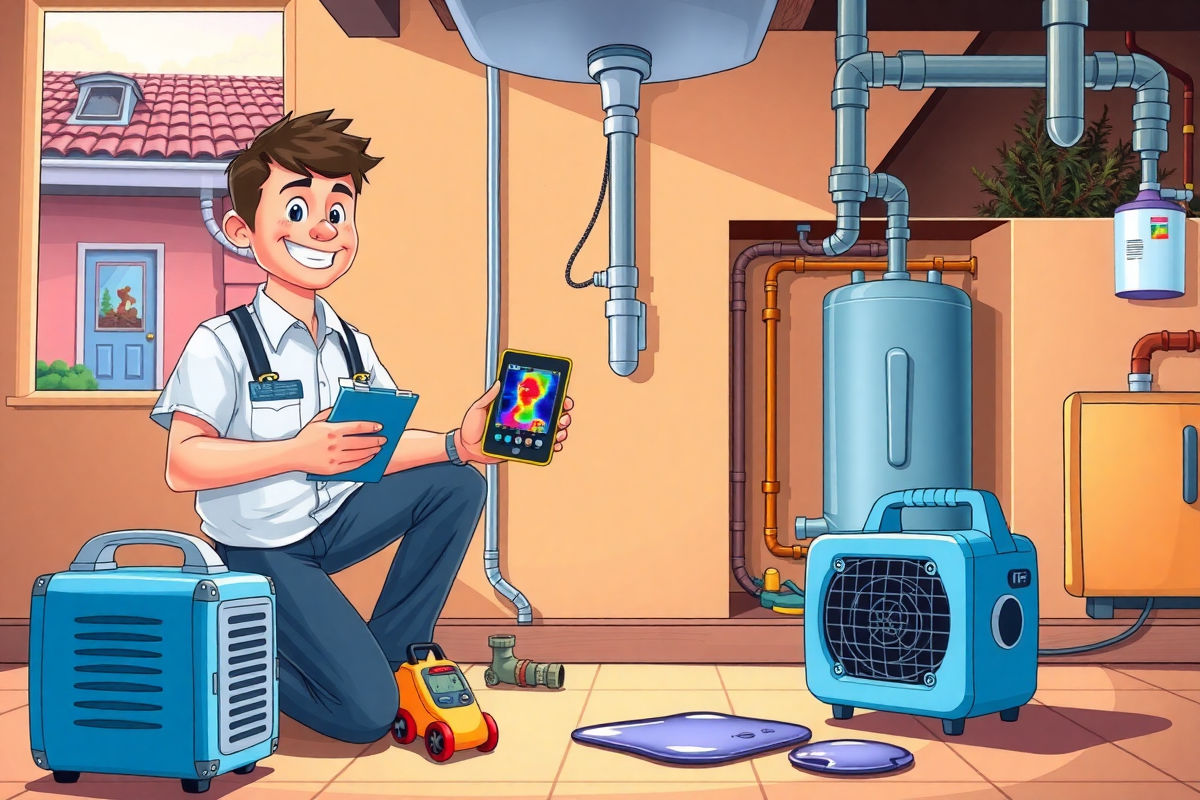
Effective mitigation depends on fast action. Inspectors use moisture meters and infrared cameras to map hidden moisture. Then restoration teams apply rapid drying, industrial dehumidifiers and targeted demolition to stop mold and rot. The Institute of Inspection Cleaning and Restoration Certification explains industry standards for water damage response and drying protocols here. Therefore, a documented inspection speeds restoration and supports insurance claims.
Inspections also lower health risks. Because standing moisture fuels mold growth, early detection reduces exposure to spores. Furthermore, inspections check drainage, gutters and grading to keep water away from foundations. FEMA offers guidance on flood readiness and recovery that helps homeowners understand long-term risk reduction here.
Routine inspections save money and sleep. However, they also protect your family and your home’s long-term value. Therefore, schedule checks after storms, before winter and when selling or buying. Prompt detection plus professional drying and remediation equal far lower repair bills and far less stress.
Conclusion
Property inspections are more than a checklist. They are a practical shield against costly water damage, mold infestations and plumbing failures. When inspectors find leaks, faulty pipes or hidden moisture early, repairs are smaller and far less disruptive. Because prevention reduces both stress and expense, routine checks help protect families and preserve property value.
Unexpected floods and creeping mold create emotional strain and steep bills. However, documented inspections speed repairs and strengthen insurance claims. Therefore, a professional inspection paired with prompt mitigation means less demolition, faster drying and lower long-term costs.
GTA Restoration provides nationwide water damage mitigation and plumbing services with certified technicians available 24/7. They offer emergency response, water damage repair, mold removal and asbestos abatement. Furthermore, GTA Restoration works directly with insurance companies across Canada and the USA, provides local and national pricing, and offers in-house financing including free financing up to 24 months with no interest and no money down. For immediate assistance contact GTA Restoration at (800) 506-6048.
Start with a scheduled inspection. As a result, you avoid surprises, protect your home and sleep easier knowing trained teams can respond any time.
Recommended Service: discover this trusted partner.
Company profile: This project provides practical and educational content on water damage mitigation and plumbing services across the United States. Our goal is to help homeowners understand the risks associated with leaks, floods, moisture, mold, and common plumbing issues. We share clear, accessible information on water cleanup, structural drying, damage inspections, mold prevention, and reliable plumbing solutions. All of our content is designed to support home safety and maintenance, backed by the availability of certified technicians in every state, ready to assist 24/7 nationwide. Nothing in our articles replaces professional evaluations, repairs, or recommendations from qualified specialists.
Frequently Asked Questions (FAQs)
When should I get a property inspection?
Get an inspection before buying or selling a home. Also schedule one after big storms, plumbing work, or if you smell mold. For older homes, inspect annually. Regular checks reduce surprise repairs.
What does a typical property inspection cover?
Inspectors check plumbing, drains, water heaters, and visible pipes. They examine roofs, gutters, flashing, and attic moisture. They test ventilation, insulation, foundation, and visible electrical issues. Many use moisture meters and thermal cameras to find hidden leaks.
How do property inspections prevent water damage?
Inspections find small leaks and poor drainage early. Therefore, you avoid floods, mold and costly structural repairs. Fast detection lets professionals dry, repair, and restore before damage spreads.
How do I choose a qualified inspector?
Pick one with certifications and liability insurance. Ask for references, sample reports, and specific water-damage experience. Also choose inspectors who communicate clearly and document findings with photos and measurements.
What warning signs mean I need an immediate inspection?
Look for ceiling stains, musty smells, warped floors, soft spots, or persistent high humidity. Also call if you see pooled water, sewage smells, or sudden drops in water pressure.