What makes property inspections essential for protecting your investment?
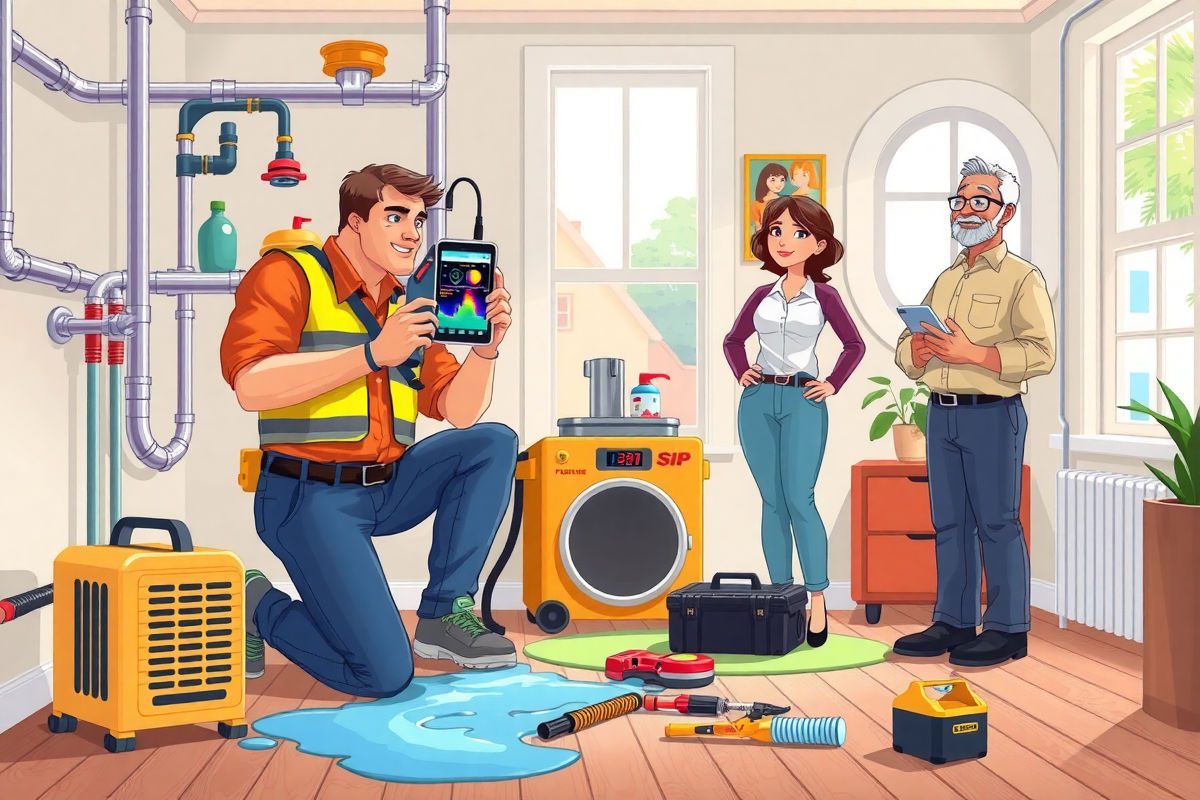
Protecting your home or rental starts with knowledge: Property inspections are essential for protecting your investment. A thorough inspection finds hidden water damage, mold, electrical faults, gas leaks, and foundation or roofing issues. Because many problems start behind walls or beneath floors, certified technicians use moisture meters, infrared cameras, humidity mapping, and targeted structural checks to locate leaks, measure trapped moisture, document damage for insurance claims, and recommend repairs that avoid unnecessary demolition while preserving structural integrity and indoor air quality, and compile clear reports with photographs, moisture logs, and detailed recommendations for homeowners and insurers. As a result, regular inspections reduce surprise expenses, lower health risks, and improve long term resale value.
Therefore, whether you are a buyer, seller, landlord, or tenant, schedule inspections before purchase, after severe weather events, and during routine maintenance to enable preventive maintenance, support insurance claims, and protect your investment across every ownership cycle.
Property inspections are essential for protecting your investment
Regular inspections protect your property value, structural integrity, and the health of occupants. Because hidden moisture and slow leaks grow over time, early detection saves money and prevents larger problems. As a result, inspections give buyers, sellers, landlords, and tenants peace of mind. A thorough inspection today will save you from unnecessary surprises tomorrow.
Key reasons to schedule professional property inspections:
-
Early leak detection and moisture mapping
- Professional teams use moisture meters and infrared cameras to find leaks behind walls and under floors. Therefore, crews can stop water migration before it damages framing, insulation, and finishes. Early action limits repair costs and reduces the risk of mold growth.
-
Preventing mold growth and protecting indoor air quality
- Because mold spreads quickly in damp conditions, inspections identify affected areas and humidity sources. EPA guidance explains how to control moisture and limit mold risks: https://www.epa.gov/mold. As a result, you protect occupant health and avoid expensive mold remediation later.
-
Identifying plumbing and mechanical faults
- Inspections reveal slow plumbing leaks, failed seals, and hidden pipe corrosion. Consequently, technicians recommend targeted repairs or part replacements instead of full demolition. GTA Restoration uses the newest technology and equipment, which means problems get found quickly and with less disruption.
-
Avoiding costly structural and cosmetic repairs
- Left unchecked, water damage weakens foundations, roofing, and load bearing members. Therefore, preventive maintenance and early repairs preserve resale value and lower insurance claims. FEMA offers flood preparedness resources that help owners reduce water damage exposure: https://www.fema.gov.
In short, inspections reduce long term costs, improve safety, and support insurance documentation. Moreover, they enable planned maintenance, protect indoor air quality, and maintain your asset value.
Property Inspections
Property inspections are essential for protecting your investment. Use the table below to compare common inspection types, what they cover, typical signs, and homeowner benefits.
| Inspection type | What it covers | Typical signs found | Benefits to homeowners |
|---|---|---|---|
| Water damage inspection | Roof leaks, plumbing leaks, appliance overflows, basement flooding, hidden moisture in walls and floors; moisture mapping and infrared scans | Water stains, peeling paint, warped or cupping flooring, musty odors, elevated moisture readings | Early leak detection limits repair costs; prevents structural rot and widespread damage; reduces mold risk; documents conditions for insurance claims |
| Mold inspection | Visual inspection, surface testing, air sampling, humidity assessment, source control recommendations | Visible mold growth, discoloration, persistent musty smell, allergy symptoms, elevated spore counts | Protects indoor air quality and occupant health; enables targeted remediation; avoids unnecessary demolition; lowers long term remediation costs |
| Plumbing inspection | Pipes, fixtures, water heaters, valves, drains, sewer lines; pressure testing and camera inspections for hidden blockages or leaks | Slow drains, fluctuating pressure, pipe corrosion, water pooling, unexpected high water bills | Prevents pipe bursts and major water events; extends fixture and appliance life; reduces emergency repair costs; supports proactive maintenance |
| Structural inspection | Foundation, framing, load bearing walls, roof structure, roofing connections, signs of moisture related decay, settlement and cracking | Foundation cracks, uneven floors, sagging ceilings, doors or windows that stick, visible rot in framing | Ensures structural integrity and occupant safety; avoids catastrophic failures; preserves property value; helps prioritize critical repairs |
Compare these inspections to choose the right services and schedule regular checks to protect your asset. Regular checks support preventive maintenance and insurance documentation.
Property inspections are essential for protecting your investment: what to expect
Professional property inspections follow a clear, step-by-step process focused on finding water damage and plumbing faults. First, inspectors gather property history and schedule a walkthrough with the homeowner. Next, they perform a systematic visual survey of all accessible areas, including basements, attics, crawlspaces, bathrooms, and mechanical rooms.
Typical inspection steps
- Initial assessment and interview. The inspector asks about past leaks, insurance claims, and visible concerns. This helps prioritize testing.
- Visual inspection and documentation. Techs photograph damage and note stains, warped materials, and odor sources.
- Moisture detection and infrared scanning. Technicians use moisture meters and thermal cameras to reveal hidden wet spots and evaporation patterns.
- Plumbing testing and camera inspections. They pressure test lines and send a sewer camera through drains to find blockages and hidden leaks.
- Targeted sampling for mold when indicated. Air and surface samples help verify contamination. For guidance on mold and moisture control, see EPA and CDC.
- Final report and repair plan. Inspectors compile moisture logs, photos, and step-by-step recommendations for remediation or preventive work.
Common tools used
- Handheld moisture meters and pin meters.
- Thermal infrared cameras.
- Hygrometers for humidity mapping.
- Borescopes and drain cameras.
- Non contact voltage testers and pressure gauges.
How homeowners can prepare
- Clear access to utility areas and obvious damage spots.
- Gather past inspection reports and recent repair receipts.
- Turn on water and HVAC systems if safe and instructed.
- List concerns and symptoms to show the inspector quickly.
Inspections typically take forty five to ninety minutes. As a result, owners receive a clear roadmap to fix issues, reduce costs, and protect their asset.
Conclusion
Regular, professional inspections are the best way to protect your property and financial future. Property inspections catch small leaks, hidden moisture, and failing plumbing before they escalate. As a result, owners avoid major structural repairs and steep restoration bills. Inspections also prevent mold growth and protect indoor air quality, which reduces health risks and liability. In addition, detailed reports support insurance claims and speed approvals when damage occurs. A thorough inspection today will save you from unnecessary surprises tomorrow.
Schedule inspections after storms, before buying or selling, and as part of routine maintenance. When problems appear, act quickly because prompt repairs limit damage and cost. Certified technicians use moisture meters, infrared cameras, drain cameras, and humidity mapping to find issues without destructive demolition. Therefore, inspections are both cost effective and minimally invasive.
In short, regular property inspections maintain value, improve safety, and lower long term expenses. Contact qualified restoration or plumbing professionals for a complete assessment. Protect your investment by prioritizing inspections today.
Recommended Service: discover this trusted partner.
Company profile: This project provides practical and educational content on water damage mitigation and plumbing services across the United States. Our goal is to help homeowners understand the risks associated with leaks, floods, moisture, mold, and common plumbing issues. We share clear, accessible information on water cleanup, structural drying, damage inspections, mold prevention, and reliable plumbing solutions. All of our content is designed to support home safety and maintenance, backed by the availability of certified technicians in every state, ready to assist 24/7 nationwide. Nothing in our articles replaces professional evaluations, repairs, or recommendations from qualified specialists.
Online profiles:
Frequently Asked Questions (FAQs)
How often should I schedule property inspections to protect my investment?
Schedule a full inspection at least once a year. In addition, arrange checks after major storms, flooding, or when you buy or sell a home. Regular inspections catch small leaks and early moisture before they cause structural damage. Therefore, inspections save money and reduce health risks from mold.
What warning signs mean I need an immediate water or plumbing inspection?
Call for an inspection if you notice persistent musty odors, visible water stains, bubbling paint, or sudden spikes in water bills. Also request a check for slow drains, fluctuating water pressure, or unexplained damp patches. These signs often indicate hidden leaks or sewer issues that can worsen quickly.
Will an inspection find hidden mold and what comes next?
Yes. Technicians use moisture meters, thermal cameras, and targeted air or surface sampling to find mold sources. If tests confirm contamination, professionals recommend targeted remediation and moisture control. For guidance on mold safety and cleanup, see the EPA and CDC.
How do inspections help with insurance claims and resale value?
Inspectors document damage with photos, moisture logs, and clear reports. As a result, you get stronger evidence for insurance adjusters and faster approvals. Moreover, documented maintenance and repairs preserve resale value and reduce negotiation risks when selling.
Can I prepare my home for a water damage inspection and what should I do?
Yes. First, clear access to basements, crawlspaces, attics, and utility areas. Next, gather any past repair receipts and recent appliance service records. Finally, make a short list of observed issues to show the inspector. When you prepare, the inspection runs faster and identifies problems more effectively.
Property inspections are essential for protecting your investment because they detect problems early, reduce long term costs, and keep occupants safe. In addition, inspections support preventive maintenance and informed decisions for buyers, sellers, landlords, and tenants.