
What Triggers Biohazard Cleanup in Water Damage Scenarios?
Biohazard Cleanup: When to Call Pros for Safe, Legal, Fast Recovery
If you see blood, sewage, or mold after a leak, do not try to handle it alone. Biohazard cleanup is more than scrubbing and airing rooms. Because biological hazards carry pathogens, they can harm your family and first responders. Therefore professional training, proper PPE, and licensed disposal matter. Homeowners face real risks from blood and bodily fluids, needles and sharps, sewage backups, and decomposing material. In a worst-case scenario, an unnoticed sewage soak under flooring can seed mold and bacteria. As a result, the house becomes unsafe and inspections may force costly closures.
Why professional biohazard cleanup matters
A trained team will assess contamination and contain the scene quickly. They use hospital-grade cleaners, advanced containment methods, and documented procedures. Also they follow OSHA rules and local hazardous waste laws. That means proper transport to licensed facilities, accurate records for insurance, and fewer legal surprises. If you act fast, you reduce structural damage and health risks. Even so, many homeowners feel overwhelmed. We aim to support you with clear steps, empathetic guidance, and 24/7 access to licensed technicians. Read on to learn how inspections, insurance coordination, and severity assessments work after a biohazard event.
What biohazard cleanup involves
Biohazard cleanup tackles materials that can harm human health. These include bloodborne pathogens, sewage, bodily fluids, mold, needles and sharps, chemical residues, and decomposing organic material. Because these hazards carry infectious agents, they require trained technicians, proper personal protective equipment, and controlled removal. Improper cleanup spreads contamination. As a result, families face infection risks, and properties may fail health inspections or insurance reviews.
Professional teams follow OSHA rules and local hazardous waste laws. For example, OSHA provides standards for bloodborne pathogens and safe handling procedures: OSHA Bloodborne Pathogens Standards. Also, the EPA provides guidance on mold prevention and cleanup: EPA Mold Guidance. West Coast Fire & Water uses hospital-grade cleaners, advanced containment, and licensed disposal to meet these requirements.
Common biohazard cleanup situations
Professionals are called to many scenarios, including:
- Crime scenes and violent incidents where blood or bodily fluids are present
- Unattended deaths and decomposition cleanup
- Hoarding environments with waste, pest contamination, and biofilm
- Sewage backups and floodwater intrusion that carry fecal contamination
- Medical waste spills, including needles, sharps, and pharmaceuticals
- Mold outbreaks after water damage that need remediation and testing
These situations often demand recordkeeping and transport to a licensed hazardous waste facility. Under California law, improper disposal can cause fines and property closure, and local health departments can issue citations.
“Pathogens don’t care how good your bleach smells,” says Christian Ahlmann, Marketing Director at West Coast Fire & Water. “Our team uses hospital-grade cleaners, proper PPE, and advanced containment methods to make sure every inch is actually clean, not just ‘looks clean.’
Improper DIY cleanup is risky and may void insurance. Therefore call a licensed provider who documents the work for claims and inspections. For guidance on water-related mold and drying timelines, see these resources: Water Damage Restoration Checklist and Professional Mold Inspection After Flooding. In short, professional biohazard cleanup protects health, preserves property value, and keeps you on the right side of regulations.
| Service Type | Typical Situations | Health Risks Addressed | Equipment Used | Benefits |
|---|---|---|---|---|
| Emergency Biohazard Response | Active spills, recent blood or fluids, urgent contamination | Bloodborne pathogens, bacterial infection, airborne particles | PPE, containment tents, HEPA air scrubbers, hospital-grade cleaners | Fast containment, lowers immediate exposure, documents scene for insurance |
| Crime Scene and Trauma Cleanup | Violent incidents, accidents, police scenes | Bloodborne pathogens, bodily fluids, infection risk | Biohazard bags, enzymatic detergents, surface sampling kits | Ensures legal compliance, proper disposal, respectful restoration |
| Sewage and Floodwater Cleanup | Sewage backup, storm flooding, basement intrusion | Fecal bacteria, viruses, chemical contaminants | Submersible pumps, dehumidifiers, antimicrobial treatments | Reduces long-term contamination, limits mold growth, supports insurance claims |
| Hoarding and Biofilm Cleanup | Hoarding houses, organic waste build-up, pest contamination | Bacterial growth, allergens, vermin-borne disease | PPE, odor neutralizers, heavy-duty vacuums, waste hauling | Restores habitability, removes vectors, documents chain of custody |
| Medical Waste and Sharps Disposal | Clinic spills, home medical accidents, needle finds | Needlestick injuries, bloodborne pathogens, pharmaceutical residue | Sharps containers, puncture-resistant bags, licensed transport | Prevents injury, ensures legal hazardous waste disposal, reduces liability |
| Mold Remediation after Water Damage | Visible mold, musty odors, post-flood growth | Allergens, mycotoxins, respiratory irritation | HEPA vacuums, containment barriers, antifungal agents | Improves air quality, prevents spread, meets building codes |
Key takeaways:
- Professional biohazard cleanup reduces infection risks and legal exposure. Therefore call trained technicians for any of the above situations.
- Documentation and licensed disposal also protect insurance claims and property value.
Related keywords: professional biohazard cleanup, OSHA regulations, hazardous waste disposal, hospital-grade cleaners, PPE, containment methods, mold remediation, sewage backup, Bay Area biohazard cleanup
Health and Safety Protocols in Biohazard Cleanup
Safety comes first. Professional biohazard cleanup teams follow strict protocols to protect residents and workers. They reduce exposure, prevent cross contamination, and meet regulatory requirements.
Key protocol steps followed on every job
- Initial assessment and scene control: secure the area, restrict access, and evaluate hazards. Also note potential structural issues and document contamination for insurance.
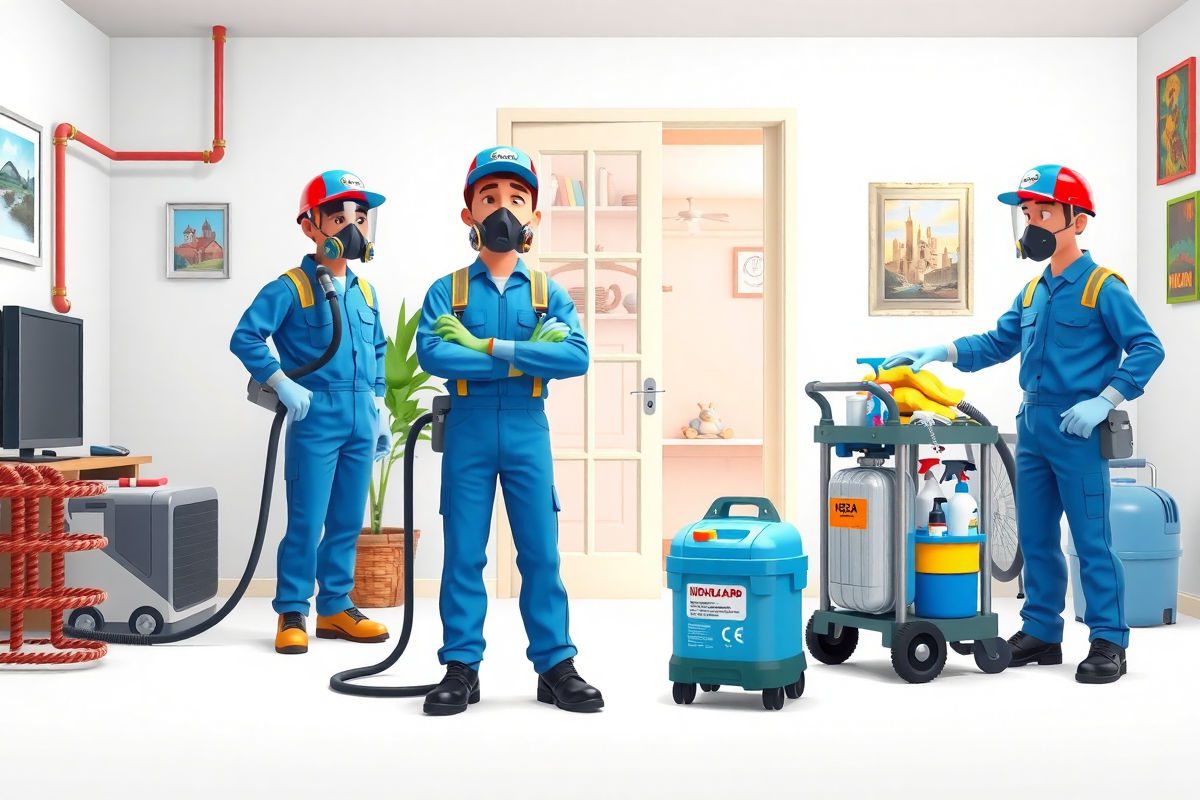
- Personal protective equipment and training: use appropriate respirators such as N95 or higher, full body suits, double gloves, eye protection, and shoe covers. Technicians complete training in bloodborne pathogens and safe handling standards.
- Containment and air control: set up containment barriers and negative air machines with HEPA filtration. Also seal HVAC vents and use directional airflow to keep contaminants contained.
- Cleaning and disinfection: apply hospital grade cleaners and enzymatic detergents with required contact times. Technicians remove contaminated materials when cleaning cannot restore safety.
- Sharps and waste handling: place needles and sharps in approved containers. Then bag biohazard waste, label it, and transport it to a licensed hazardous waste facility per local law.
- Clearance testing and documentation: perform surface testing, air quality checks, and moisture scans. Provide full reports to homeowners and insurers.
- Personnel decontamination and exposure response: follow approved doffing procedures, provide on site decontamination, and offer medical follow up if exposure occurs.
Real world example
In the San Francisco Bay Area, West Coast Fire & Water responded to a sewage backup in a single family home. The crew secured the scene, used containment and HEPA filtration, and removed contaminated flooring. Because they documented each step the homeowner filed a successful insurance claim. Christian Ahlmann, Marketing Director at West Coast Fire & Water, notes “From OSHA to local Bay Area ordinances, we know exactly what is required. That means no surprises down the line.”
Resources and guidance
For official standards see OSHA bloodborne pathogen guidance and EPA mold guidance. For related water damage and drying timelines, see water damage restoration checklist and professional mold inspection guidance.
Conclusion
Professional biohazard cleanup matters for health and safety. Trained teams reduce infection risk, follow OSHA and local rules, and document every step for insurance and legal needs. They use proper PPE, containment, HEPA filtration, and hospital-grade cleaners to remove hazards that DIY attempts often miss.
Key takeaways:
- Risks: bloodborne pathogens, sewage, mold, sharps, and decomposition can cause illness and property loss.
- Services: emergency response, crime scene remediation, sewage and mold remediation, hoarding cleanup, and medical waste disposal.
- Protocols: scene containment, PPE, licensed waste transport, clearance testing, and full documentation protect people and property.
If you face a biohazard incident, act quickly. Our network of nationwide expert technicians is available 24/7 for water damage mitigation and plumbing services. Working with licensed pros lowers health risks, protects your insurance claim, and restores your home safely.
Recommended Service: discover this trusted partner.
Company profile: This project provides practical and educational content on water damage mitigation and plumbing services across the United States. Our goal is to help homeowners understand the risks associated with leaks, floods, moisture, mold, and common plumbing issues. We share clear, accessible information on water cleanup, structural drying, damage inspections, mold prevention, and reliable plumbing solutions. All of our content is designed to support home safety and maintenance, backed by the availability of certified technicians in every state, ready to assist 24/7 nationwide. Nothing in our articles replaces professional evaluations, repairs, or recommendations from qualified specialists.
Online profiles: Website: https://fixterra.info/
Blog: https://fixterra.info/blog/
Frequently Asked Questions (FAQs)
Will my homeowner insurance cover biohazard cleanup?
Many homeowner and business policies cover biohazard cleanup. However you should call your insurer promptly. Also document the scene with photos and keep receipts. Professional teams provide the paperwork insurers require, which helps claims move faster.
How quickly should I call a professional?
Call immediately for blood, sewage, unattended deaths, or visible decomposition. Emergency teams respond 24/7. Rapid action reduces contamination, limits mold growth, and preserves evidence if needed.
Can I clean a biohazard myself?
No. DIY cleanup risks exposure to bloodborne pathogens, sharps injuries, and improper waste disposal. OSHA rules and local laws often require licensed handling. Therefore hire trained technicians with PPE and licensed transport.
What should I expect from professionals on site?
Expect a clear plan. Technicians assess contamination, set containment, use PPE, remove unsalvageable materials, apply hospital-grade cleaners, and perform clearance testing. They also document work for insurance and legal needs.
When is it safe to reenter my home?
Reentry depends on contamination and remediation. Often you can return after clearance tests and HVAC cleaning. In serious cases, reentry may take days. Professionals will confirm safety before you return.