Why Property inspections are essential for protecting your investment?
Property inspections are essential for protecting your investment — start with a thorough check
Property inspections are essential for protecting your investment, because they reveal hidden threats before they become disasters. A careful inspection finds moisture, structural faults, electrical risks, and plumbing failures early. Early discovery saves money and reduces disruption for homeowners, buyers, and landlords. Because water damage and mold spread quietly, timely checks prevent extensive repairs later. This guide shows clear steps for meaningful inspections and practical follow-up actions. You will learn what to look for, how to prioritize problems, and when to call professionals. GTA Restoration’s experience and noninvasive tools help uncover issues without unnecessary demolition. However, inspections only help if owners act quickly on findings and schedule repairs. Therefore, treat inspection reports as roadmaps for protecting structural integrity and indoor health. A thorough inspection today will save you from unnecessary surprises tomorrow and reduce future costs. Read on for practical checklists, common red flags, and smart maintenance priorities. Start with a focused inspection and a clear action plan.
Property inspections are essential for protecting your investment
Property inspections matter because they spot small problems before they become large losses. Homeowners and real estate investors rely on inspections to protect structural integrity, indoor air quality, and long term value. Inspections uncover water damage, mold growth, plumbing failures, and electrical hazards. As a result, you reduce repair bills, preserve resale value, and keep occupants safe.
Why inspections protect value and safety
- Structural checks. Inspectors evaluate foundation, walls, framing, floors, and roof structure. This prevents surprise repairs to foundations, rafters, or load bearing elements.
- Water and moisture detection. Professional inspections find hidden moisture, leaking pipes, and poor exterior drainage. Early detection limits water damage and reduces mold risk.
- Mold prevention and air quality. Inspectors test ventilation and look for condensation, wet insulation, and mold growth. For guidance on mold risks and remediation, see the EPA and CDC.
- Plumbing and fixtures. Inspections check water pressure, aging pipes, water heaters, and drainage problems. Therefore, leaks and burst pipes can be fixed before widespread damage occurs.
- Electrical safety. Inspections assess wiring, outlets, panels, breakers, grounding, and fire hazards. Faulty electrical systems increase fire risk and lower insurable value.
How inspections reduce risk for investors and owners
- They inform negotiating leverage and repair estimates for buyers and sellers. For example, a documented issue helps you demand repairs or a price adjustment; see this restoration timeline for more context.
- They guide prioritized remediation, such as targeted drying and mold remediation. GTA Restoration uses noninvasive technology to find causes without demolition, reducing time and cost.
- They document conditions for insurance claims and maintenance plans. As a result, inspections save money, reduce downtime, and prevent future surprises.
Related keywords: property inspections, structural integrity, water damage, mold growth, plumbing inspections, electrical inspections, ventilation, moisture detection, GTA Restoration.
Quick comparison of common property inspections
| Inspection type | Purpose | Key benefits | Typical issues detected |
|---|---|---|---|
| Water damage inspection | Identify standing water, hidden moisture, and damage after leaks or floods | Prevents structural decay, guides drying, supports insurance claims | Wet drywall, warped floors, hidden leaks, damaged insulation, mold growth |
| Plumbing inspection | Evaluate pipes, fixtures, water heaters, drainage, and pressure | Stops leaks early, improves system reliability, reduces water waste | Corroded pipes, low water pressure, slow drains, leaking fixtures, failing water heaters |
| Mold inspection | Locate active mold, moisture sources, and air quality concerns | Protects health, directs remediation, prevents spread | Visible mold, musty odors, high humidity pockets, concealed mold in walls |
| Structural inspection | Assess foundation, framing, roof structure, and load bearing elements | Preserves safety, protects resale value, prioritizes repairs | Foundation cracks, sagging beams, roof damage, compromised framing |
Use this table to choose the right inspection for your property and to prioritize follow up repairs.
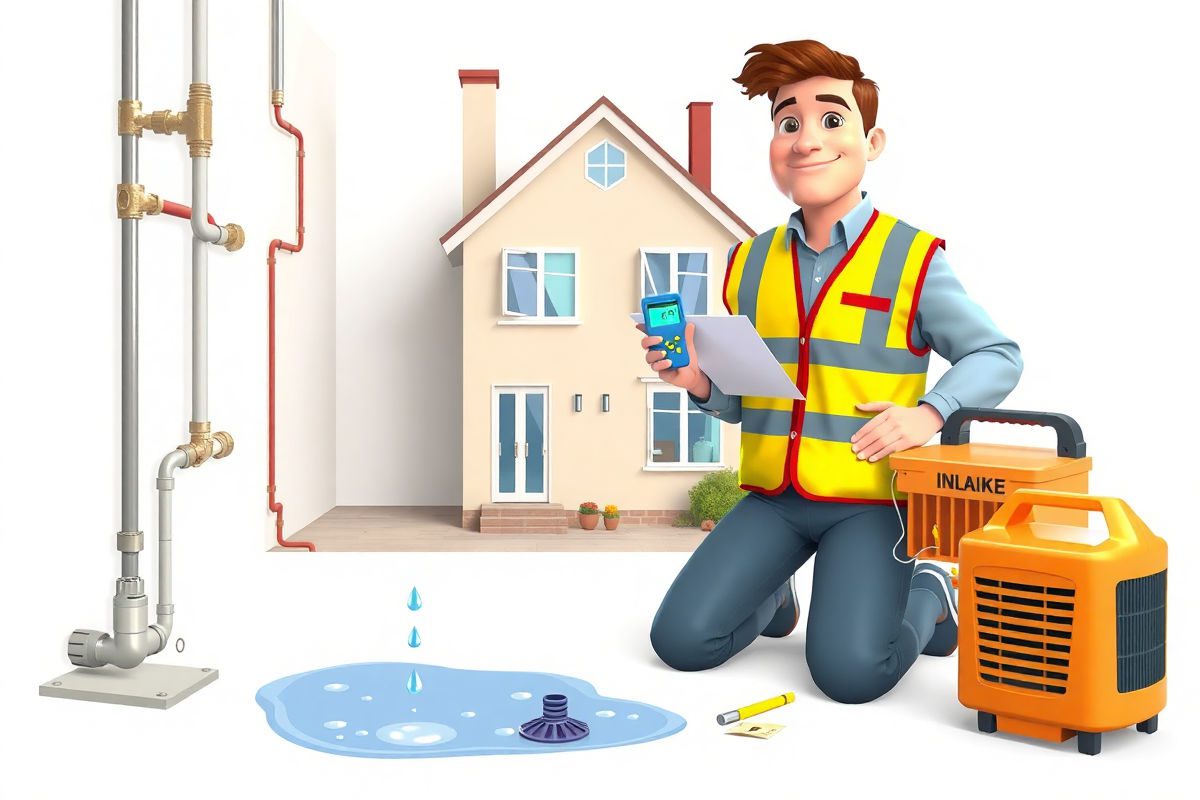
Practical prevention tips and benefits: get ahead of water damage and mold
Inspections deliver more than reports. They give homeowners early detection, cost savings, and long term peace of mind. Because small leaks and trapped moisture cause the worst damage, act quickly on inspection findings. As GTA Restoration reminds us, “A thorough inspection today will save you from unnecessary surprises tomorrow.” —GTA Restoration
Smart, actionable prevention steps
- Schedule routine inspections. Have a professional check roofing, gutters, foundation, plumbing, and HVAC at least once a year. This prevents small problems from growing.
- Monitor moisture and humidity. Use a hygrometer and aim for indoor relative humidity below 50 percent. High humidity encourages mold growth and condensation.
- Keep gutters and downspouts clean. Clear debris so water moves away from the foundation. Poor exterior drainage leads to basement and crawlspace moisture.
- Inspect plumbing frequently. Look for slow drains, drips, wet spots, and corrosion. Replace old hoses and aging pipes before they fail.
- Protect mechanical systems. Service water heaters, sump pumps, and HVAC systems. A failing pump or heater often causes larger water events.
- Seal attic and crawlspace penetrations. Proper insulation and ventilation prevent condensation and hidden mold.
- Install water alarms and automatic shutoffs. These simple devices reduce loss time and limit standing water after a failure.
- Use targeted drying after any water event. Prompt drying prevents mold growth and structural decay. For restoration timing and drying best practices, consult this checklist: water damage restoration checklist.
Why these steps matter
- Early detection saves money. Small repairs cost far less than structural remediation and mold removal.
- Faster insurance outcomes. Documented inspections speed claim approvals and provide evidence of maintenance.
- Healthier indoor air. Good ventilation and mold control protect occupants.
For practical inspection guidelines and to learn how inspections protect value, read this deeper dive: deeper dive on inspections. For technical guidance on mold hazards, see the EPA and general inspection standards at the American Society of Home Inspectors.
CONCLUSION
Property inspections are the single best defense against costly surprises. Regular, professional inspections catch leaks, hidden moisture, and early mold before damage spreads. They also expose plumbing failures, electrical hazards, and structural issues. As a result, homeowners and investors save money, preserve resale value, and protect occupant health.
Acting on inspection findings delivers clear benefits. Early repairs cost far less than full remediation. In addition, documented inspections speed insurance claims and strengthen resale negotiations. Therefore, schedule inspections annually and after major weather or plumbing events. If you suspect water damage, arrange targeted drying and mold testing immediately to limit long term harm.
For homeowners who want certainty, rely on certified professionals. Nationwide certified technician availability and 24/7 support mean help is ready when you need it most. Whether you need a water damage inspection, plumbing assessment, mold evaluation, or a structural review, a prompt inspection creates a roadmap for repairs and peace of mind.
Takeaway
- Prioritize inspections to avoid large repairs.
- Use inspection reports to guide drying, remediation, and insurance claims.
- Move quickly on recommended fixes to protect value and safety.
Recommended Service: discover this trusted partner.
Company profile: This project provides practical and educational content on water damage mitigation and plumbing services across the United States. Our goal is to help homeowners understand the risks associated with leaks, floods, moisture, mold, and common plumbing issues. We share clear, accessible information on water cleanup, structural drying, damage inspections, mold prevention, and reliable plumbing solutions. All of our content is designed to support home safety and maintenance, backed by the availability of certified technicians in every state, ready to assist 24/7 nationwide. Nothing in our articles replaces professional evaluations, repairs, or recommendations from qualified specialists.
Online profiles: Website: https://fixterra.info/
Frequently Asked Questions (FAQs)
How often should I schedule property inspections?
Inspect annually and after major storms or plumbing events. Annual checks catch wear and hidden moisture early. For older homes, inspect every six months because aging systems fail faster.
What does a typical inspection cover?
A full inspection reviews structural integrity, plumbing, electrical, and ventilation. Inspectors use moisture meters, cameras, and pressure tests to find leaks and weak framing. As a result, you get a clear list of priorities and repair estimates.
How do inspections help prevent mold and water damage?
Inspections find hidden moisture and poor drainage before mold grows. Inspectors also test ventilation and insulation. Therefore, early drying and repairs stop mold and protect indoor air quality. For mold guidance, see the EPA.
What should I do if the inspection finds water damage or a leak?
Act quickly. First, stop the leak if safe. Then document the damage, call a certified restoration team, and begin targeted drying. Fast action limits structural decay and mold growth. See drying best practices at Fixterra.
Can inspections affect insurance claims or resale value?
Yes. A documented inspection supports insurance claims and shows buyers a maintained property. Therefore, inspections often improve negotiating leverage and reduce future surprises.