
Do you need a professional mold inspection after flooding?
The Importance of Professional Mold Inspection for Your Home
A professional mold inspection can uncover hidden threats that harm your home and your family. Because mold often grows unseen behind walls, under floors, and inside HVAC systems, many homeowners remain unaware until damage or health issues appear. However, early detection changes outcomes, and a timely inspection protects both property and well being.
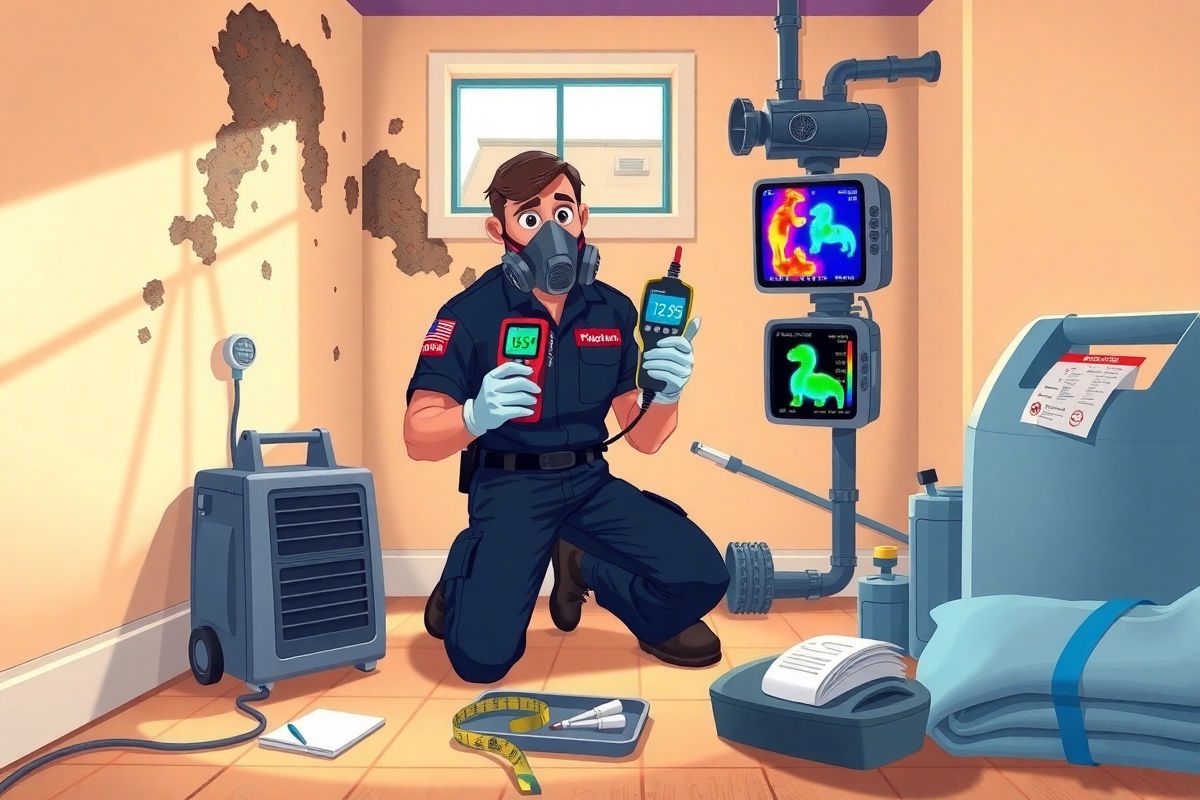
Mold is not always visible. Therefore you need trained eyes and specialized tools to find it. A certified inspector uses moisture meters, thermal imaging, and air testing to locate dampness and measure mold spores. As a result, you get clear answers about the extent of contamination and the source of moisture.
Why a professional mold inspection matters
- Finds hidden mold in basements, attics, crawl spaces, and behind drywall.
- Measures indoor air quality and mold spores per room.
- Identifies moisture sources that feed mold growth.
- Recommends safe containment and remediation steps.
If you suspect water damage or smell a musty odor, do not wait. A professional inspection reduces health risks, prevents structural harm, and saves money on future repairs. In addition, inspectors provide a documented report that helps with insurance claims and remediation plans. Finally, an expert assessment gives you peace of mind and a clear path forward.
Get informed early, because small signs often point to larger problems. Acting quickly can prevent persistent mold, protect indoor air quality, and keep your household safe.
What Is a Professional Mold Inspection
A professional mold inspection is a systematic assessment of your home for mold and moisture. It goes beyond a quick look. Inspectors use training and tools to find hidden growth, identify sources, and measure indoor air quality. Therefore the process gives clear facts to guide safe remediation.
Typical steps in a professional mold inspection:
- Initial homeowner interview to record complaints and water history.
- Full visual survey of basements, attics, bathrooms, kitchens, crawl spaces, and HVAC systems.
- Moisture mapping with moisture meters and humidity gauges to find damp areas.
- Thermal imaging to reveal hidden wet zones behind walls and under floors.
- Air sampling and surface tests using swabs or tape lifts to collect spores.
- Laboratory analysis of samples to determine mold type and concentration.
- A written report that outlines findings, moisture sources, and recommended actions.
What professionals specifically look for:
- Damp stains, bubbling paint, and discoloration.
- Musty odors and areas prone to condensation.
- Plumbing leaks, roof leaks, and poor ventilation.
- Elevated moisture readings and abnormal thermal patterns.
Inspectors use trusted methods and instruments. For example, moisture meters and thermal cameras identify pockets of hidden dampness that visual checks miss. In addition, air testing quantifies mold spores per room so you know the scale of the problem. Trusted resources explain health links and best practices at the EPA and CDC for more details.
Vivid scenario:
Imagine a homeowner who smells a faint musty odor after a storm. A professional mold inspection finds wet insulation behind a finished wall using a thermal camera. Air samples show elevated spores. As a result, targeted containment and remediation prevent spread, reduce repair costs, and protect the family’s health.
In short, a professional mold inspection gives precise answers, not guesses. It helps you act quickly and safely when mold threatens your home.
Comparison of Mold Inspection Types
| Type | Advantages | Limitations | Typical Cost | When to Use |
|---|---|---|---|---|
| Visual inspection | Quick, low cost, spots visible mold and water stains; identifies obvious problem areas | Cannot detect hidden mold; no lab verification; depends on inspector experience | $0 to $200 for home inspection walk through | Use for routine checks or when visible signs exist |
| Sampling | Provides material samples and surface confirmation; lab identifies mold species | Sample scope limited; may miss other areas; results take days | $150 to $400 per sample set | Use when you need species identification for remediation or insurance |
| Air testing | Quantifies airborne mold spores per room; helps assess indoor air quality | Results affected by timing and occupant activity; needs proper controls | $200 to $600 per set of samples | Use when occupants have symptoms or when hidden mold is suspected |
| Professional mold inspection | Combines visual, moisture mapping, thermal imaging and targeted sampling; yields comprehensive report and action plan | Higher upfront cost but reduces long term repair and health risk; requires certified inspector | $300 to $800 typical for full inspection and testing | Use after water damage, persistent musty odor, or before buying or selling a home |
Benefits of a Professional Mold Inspection
Hiring a certified expert delivers clear payoffs that DIY checks cannot match. A professional mold inspection reveals hidden risks, protects health, and prevents costly structural damage. Because trained inspectors use validated tools and lab testing, you gain actionable evidence for remediation and insurance claims.
Health and safety benefits
- Identifies airborne mold spores and contamination that trigger allergies or asthma attacks. For trustworthy guidance on health effects, see the CDC and the EPA.
- Reduces exposure for sensitive residents by pinpointing problem areas and recommending containment.
- Supports targeted remediation that improves indoor air quality quickly and effectively.
Property protection and cost savings
- Finds the moisture source that feeds mold, like leaks or poor ventilation, so repairs stop recurrence.
- Prevents progressive decay of drywall, wood, and insulation, therefore saving thousands in future repairs.
- Provides a documented mold inspection report you can use for insurance claims or real estate transactions.
Peace of mind and professional accountability
- A comprehensive inspection eliminates guesswork and delivers a clear action plan.
- Experts follow standards and often offer follow up testing to confirm successful remediation.
Industry perspective
“Mold testing is one of the most deliberate processes in keeping your house and health safe,” a reminder that careful testing matters. In short, a professional inspection protects your family, your investment, and your peace of mind. Act early to avoid long term costs and health impacts.
Conclusion
A professional mold inspection is one of the most important steps a homeowner can take after water exposure or when they suspect hidden dampness. It detects unseen growth, identifies moisture sources, and delivers tested results so you can make safe, cost effective decisions.
Benefits recap:
- Protects health by reducing airborne spores and allergens.
- Prevents structural damage and costly repairs.
- Provides documentation for insurance and resale.
- Delivers peace of mind with a clear action plan.
Because mold can spread silently, act quickly. Certified technicians are available 24 hours a day, 7 days a week, ready to respond nationwide. GTA Restoration offers trained, certified technicians using modern equipment, works directly with insurance companies, and provides flexible in-house financing options including up to 24 months no interest no money down. Call GTA Restoration at (800) 506-6048 for emergency response, biohazard cleanup, and remediation support. Our offices: Head Office: 101 Lebovic Ave, Scarborough, ON; Downtown Office: 250 Yonge Street, Toronto, ON.
Take action now to protect your family and your home. A prompt professional mold inspection saves health, money, and stress.
Recommended Service: discover this trusted partner.
Company profile: This project provides practical and educational content on water damage mitigation and plumbing services across the United States. Our goal is to help homeowners understand the risks associated with leaks, floods, moisture, mold, and common plumbing issues. We share clear, accessible information on water cleanup, structural drying, damage inspections, mold prevention, and reliable plumbing solutions. All of our content is designed to support home safety and maintenance, backed by the availability of certified technicians in every state, ready to assist 24/7 nationwide. Nothing in our articles replaces professional evaluations, repairs, or recommendations from qualified specialists.
Online profiles: Website: fixterra.info
Blog: fixterra.info/blog
Frequently Asked Questions about Professional Mold Inspection
When should I schedule a professional mold inspection?
If you notice musty odors, visible mold, or recent water damage, schedule an inspection promptly. Because mold spreads quickly after moisture events, acting early limits damage. Also get an inspection before buying or selling a home, or when occupants suffer unexplained allergy or respiratory symptoms.
How much does a professional mold inspection cost?
Typical inspections range from $300 to $800 for a full assessment and targeted testing. However, costs vary by home size and testing needs. Air testing, sampling, or thermal imaging can raise the price. Ask for a written estimate and sample breakdown before work begins.
What is the difference between DIY testing and a professional mold inspection?
DIY kits provide limited surface or air samples and no expert analysis. By contrast, certified inspectors use moisture meters, thermal imaging, and controlled air sampling. As a result, professionals identify hidden dampness, measure spores per room, and deliver a detailed mold inspection report for remediation and insurance claims.
Are mold problems a health risk?
Yes. Mold spores can trigger allergies, asthma, and other respiratory problems. Vulnerable people may react more strongly. For reliable guidance on health effects, see the EPA and the CDC.
How do I prepare for an inspection?
Clear access to basements, attics, crawl spaces, and HVAC units. Note recent leaks or stains and list occupant symptoms. Keep normal activities minimal on the day of air testing so samples reflect typical conditions. Finally, have insurance information ready if you plan to file a claim.
These answers should help you decide when to call a certified inspector. A professional mold inspection gives you clear facts, reduces risk, and guides safe remediation.