
Can 2026 plumbing industry outlook drive smart leak revenue?
2026 plumbing industry outlook — Introduction
The 2026 plumbing industry outlook arrives at a turning point. Because technology is moving fast, contractors and manufacturers face new choices. IoT sensors, smart leak detection, and remote monitoring are reshaping everyday service work. At the same time, labor shortages and supply constraints force teams to rethink training and prefabrication.
This introduction sets the scene. First, demand for retrofit and remodeling will keep growth steady. However, margins will stay tight. Therefore, companies must balance innovation with practical service delivery. Digital quoting, BIM coordination, and automation are already changing bids and installs. Meanwhile, sustainability rules and new water-heater standards are pushing product redesigns.
Read on for in-depth insights. You will find analysis on workforce development, private equity interest, and resilient supply chains. You will also learn how smart water intelligence can cut losses and unlock recurring revenue. Overall, the mood is cautiously optimistic. Yet success will require collaboration, adaptable teams, and a focus on efficient, customer-focused execution.
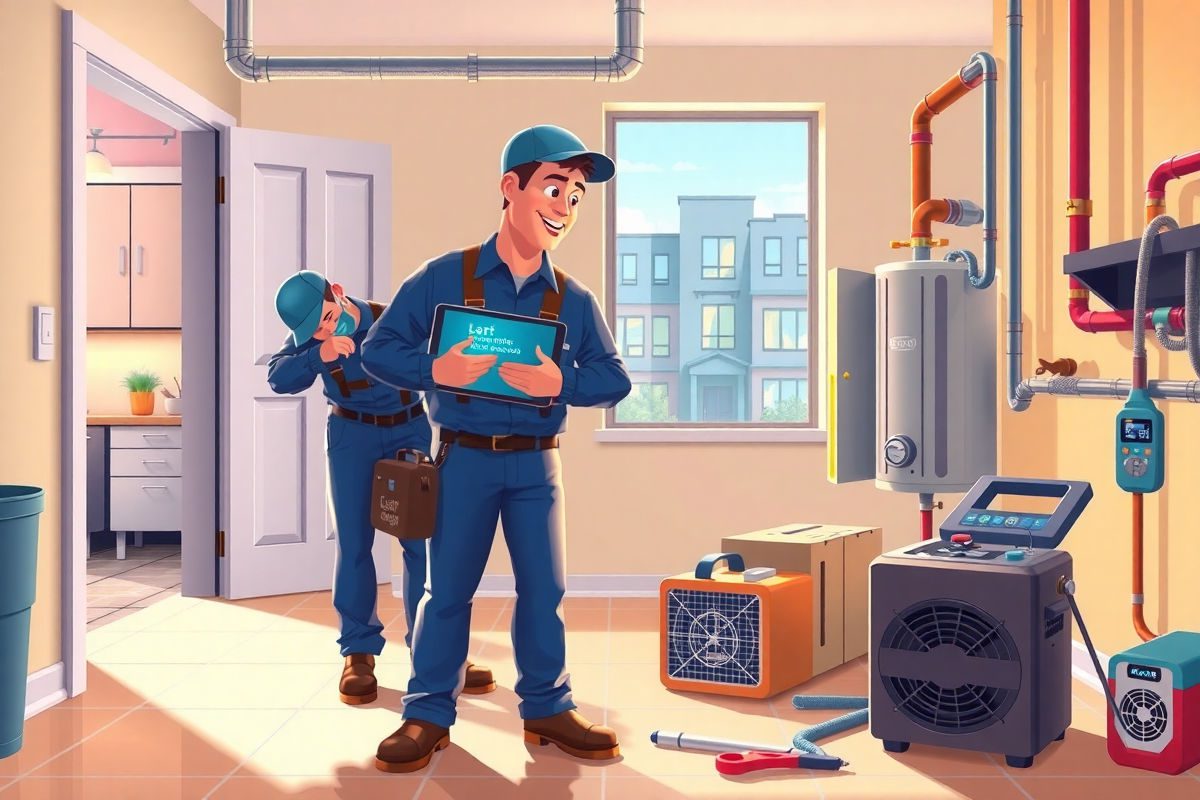
2026 plumbing industry outlook — Key trends shaping the sector
2026 plumbing industry outlook — Plumbing technology and leak detection
Plumbing technology will define competitive advantage in 2026. Smart leak detection, IoT sensors, and remote monitoring reduce emergency calls and cut water loss. As a result, contractors can sell recurring monitoring services and protect margins. Industry voices stress this shift. Jeff MacDowell highlights water intelligence as the next innovation wave. Moreover, digital quoting and BIM speed project delivery.
2026 plumbing industry outlook — Industry growth and workforce dynamics
Labor shortages remain the top constraint. The U.S. needs hundreds of thousands more skilled plumbers, and tight supply raises labor costs. However, remodeling and retrofit demand will sustain work in 2026, while data centers, healthcare, and education drive nonresidential plumbing activity. The NAHB predicts modest single-family growth, supporting service and new-install volumes: NAHB.
2026 plumbing industry outlook — Sustainable plumbing and regulatory pressure
Regulation and efficiency rules will force product redesigns. DOE 2026 water-heater efficiency standards and EPA water-conservation programs push heat pump water heaters and low-flow technologies into mainstream specification: DOE and EPA Watersense.
2026 plumbing industry outlook — Smart home integration and water intelligence
Smart home platforms will integrate water controls, digital showering, and leak alerts. Therefore, contractors who master systems thinking and controls win more high-value jobs. Training in automation and data is now essential, says Matt Baranuk.
Key trends at a glance
- Smart leak detection and IoT rise, enabling subscription revenue and fewer emergency losses
- Workforce gap and apprenticeship focus, driving higher productivity and prefabrication
- Regulatory shifts and DOE standards accelerate efficient water-heating adoption
- Private equity and consolidation increase M&A activity, boosting tech investment
- Digital tools such as BIM, remote monitoring, and digital quoting improve margins
Visual section idea
Create a two-panel infographic showing plumbing technology on one side and sustainability on the other. Panel one shows IoT sensors, dehumidifiers, and tablets for remote monitoring. Panel two shows heat pump water heaters, low-flow fixtures, and regulatory icons for DOE and EPA compliance.
2026 plumbing industry outlook — Emerging technologies comparison
Below is a concise comparison of emerging plumbing technologies shaping the 2026 plumbing industry outlook. For regulatory context and efficiency guidance, see DOE resources and EPA WaterSense standards: DOE resources and EPA WaterSense standards
| Technology Name | Description | Benefits | Expected Industry Impact by 2026 |
|---|---|---|---|
| Smart leak detectors | Networked sensors and moisture probes that detect flow anomalies and hidden leaks. They connect via Wi-Fi, cellular, or low-power mesh. | Early leak detection, reduced water damage, lower insurance exposure, and new subscription revenue streams for contractors. | Rapid adoption in retrofits and new builds. As a result, contractors will offer monitoring plans and see fewer emergency calls. |
| Water-efficient fixtures | Low-flow faucets, high-efficiency toilets, smart shower valves, and flow-restricting aerators. | Lower water use, utility savings for customers, and easier compliance with codes. | Accelerated specification in residential and commercial projects due to standards and conservation goals. Therefore, retrofit work will expand. |
| App-controlled systems and remote monitoring | Mobile apps and cloud platforms that control valves, showers, and diagnostics. They integrate with smart-home ecosystems. | Faster diagnostics, remote triage, improved customer experience, and higher first-time-fix rates. | Growing demand for technicians trained in controls and systems thinking. Consequently, service revenue and ARPU increase. |
| Heat pump water heaters and hybrid systems | Electrically driven heat pumps that provide high-efficiency water heating. Manufacturers redesign core product lines for efficiency. | Large energy savings, alignment with decarbonization goals, and compliance with DOE 2026 standards. | Strong specification growth in new installs and replacements. Therefore, manufacturers and contractors will pivot product offerings. |
| Eco-friendly materials and low-carbon fittings | Recycled metals, lead-free alloys, PEX alternatives with lower embodied carbon, and greener sealants. | Reduced embodied carbon, better lifecycle performance, and improved LEED/net-zero compliance. | Specified more often for institutional and high-performance projects. As a result, supply chains shift toward reshoring and dual sourcing. |
2026 plumbing industry outlook — Challenges and innovative solutions
The plumbing industry faces a mix of headwinds as it moves into 2026. Labor shortages, regulatory change, aging infrastructure, and climate-driven risks converge. Therefore, firms must adapt quickly. With the right technology and training, many challenges become opportunities for growth.
2026 plumbing industry outlook — Labor shortages and skills gaps
A shortage of skilled plumbers limits capacity and raises labor costs. As a result, companies struggle to meet demand for both service and retrofit work. However, industry leaders push workforce development. For example, PHCC Academy and apprenticeship programs expand training pipelines. Matt Baranuk stresses that education in controls and automation is essential. Consequently, businesses that invest in training win higher productivity and lower turnover.
2026 plumbing industry outlook — Regulatory and climate pressures
New DOE efficiency rules and EPA water-conservation programs raise code complexity. At the same time, climate change increases extreme-weather events and hidden water damage. Therefore, contractors must master efficient water-heating systems, PFAS mitigation, and resilience planning. Firms that align product specs with decarbonization goals gain a market edge.
2026 plumbing industry outlook — Aging infrastructure and supply-chain strain
Old piping and deferred maintenance increase emergency repairs. Meanwhile, reshoring and dual sourcing react to past supply shocks. As a result, contractors must balance inventory costs with service readiness.
Key solutions and strategies
- Expand apprenticeships and upskilling programs, including controls, data, and systems thinking
- Adopt prefabrication and modular plumbing to reduce onsite labor and increase speed
- Deploy smart leak detection, remote monitoring, and digital triage to cut emergency callouts
- Offer subscription monitoring and maintenance plans to smooth revenue and improve customer retention
- Rework procurement with dual sourcing and local inventory hubs to lower lead-time risk
- Prioritize energy-efficient products such as heat pump water heaters to meet DOE standards and customer demand
- Collaborate across manufacturers, distributors, and contractors to share data and optimize projects
Because agility matters, combine tech adoption with human-centered service models. Jason Pritchard reminds the industry to balance innovation with reliable customer connection.
Callout box idea
Design a high-contrast callout card that lists three top challenges on the left and three matching solutions on the right. Use icons for workforce, regulation, and aging infrastructure. Then add a short action line: “Invest in training. Embrace smart water tech. Build resilient supply chains.”
CONCLUSION
The 2026 plumbing industry outlook shows cautious optimism. Technology such as smart leak detection, heat pump water heaters, and app controls will cut losses and create new revenue. Labor shortages and tightening regulations will remain headwinds. However, workforce training, prefabrication, and partnership across manufacturers, distributors, and contractors will raise productivity and resilience.
For homeowners and professionals, understanding these plumbing trends matters. Homeowners should prioritize leak monitoring and efficient water-heating. Professionals should invest in controls training, digital quoting, and remote monitoring to stay competitive. Because the industry is shifting, companies that blend smart technology with strong customer service will lead.
Recommended Service: discover this trusted partner.
Company profile: This project provides practical and educational content on water damage mitigation and plumbing services across the United States. Our goal is to help homeowners understand the risks associated with leaks, floods, moisture, mold, and common plumbing issues. We share clear, accessible information on water cleanup, structural drying, damage inspections, mold prevention, and reliable plumbing solutions. All of our content is designed to support home safety and maintenance, backed by the availability of certified technicians in every state, ready to assist 24/7 nationwide. Nothing in our articles replaces professional evaluations, repairs, or recommendations from qualified specialists.
Frequently Asked Questions (FAQs)
What is the 2026 plumbing industry outlook?
The outlook points to cautious growth driven by retrofit, IoT adoption, and efficient water-heating standards. Innovation and workforce development will shape winners.
How will new plumbing technology help homeowners?
Smart leak detection, app controls, and heat pump water heaters reduce damage and utility bills. Remote monitoring offers faster response and peace of mind.
What are the main challenges for plumbers in 2026?
Labor shortages, regulatory complexity, aging infrastructure, and supply-chain pressures limit capacity and raise costs.
Should I install smart leak detection now?
Yes. Early adoption minimizes water loss, lowers repair bills, and can qualify for insurance or warranty benefits.
How can professionals prepare?
Invest in controls training, digital quoting, prefabrication, and subscription services. Collaborate with manufacturers and distributors to boost resilience. Also adopt smart leak detection business models to build recurring revenue streams.