What steps reduce risk when No mycotoxin antidotes exist?
No mycotoxin antidotes exist: What homeowners must know about mold toxins
No mycotoxin antidotes exist is a hard truth for homeowners. Mycotoxins are toxic chemicals produced by molds. They come from fungi such as Aspergillus, Penicillium, Stachybotrys, and Fusarium. Because these toxins act through many mechanisms, they pose varied health risks. Therefore, understanding what mycotoxins are matters for anyone facing water damage or household mold.
Mycotoxins present dangers because they can damage cells, disrupt mitochondria, and cause oxidative stress. Also, many mycotoxins are fat-soluble and can accumulate in body tissues for weeks or months. As a result, exposure may cause acute illness or persistent symptoms. Research gaps and regulatory limits mean no FDA-approved antidote exists.
Risks associated with mycotoxins
- Respiratory problems including wheeze and chronic cough
- Neurological symptoms such as headaches, brain fog, and concentration issues
- Immune system suppression and increased infections
- Liver damage and cancer risk linked to aflatoxins
- Chronic fatigue, muscle pain, and multisystem complaints
- Persistent indoor contamination that prolongs exposure and heightens cumulative risk
Because a single pharmaceutical cannot block oxidative stress, DNA damage, and mitochondrial dysfunction simultaneously, prevention is the practical strategy today. Homeowners should reduce moisture, improve ventilation, use HEPA air filtration, and hire certified mold remediation when needed. Later sections explain testing options, common lab limits, and pragmatic steps clinicians recommend to lower body burden.
No mycotoxin antidotes exist: why science has no single cure
Mycotoxins are chemically diverse molecules made by molds. Because they vary, a single pharmaceutical cannot neutralize them all. Moreover, mycotoxins act through multiple biological pathways. For example, aflatoxins damage DNA and promote cancer. Trichothecenes inhibit protein synthesis and trigger inflammation. Ochratoxins impair kidneys and mitochondrial function. Therefore, one drug would need to block oxidative stress, DNA damage, protein inhibition, and mitochondrial dysfunction at once.
Research status and scientific complexity
- Scientists have identified roughly 400 distinct mycotoxins. Each shows different toxicity and behavior in the body. As a result, toxicokinetics and toxicodynamics vary widely.
- Many mycotoxins are fat soluble and accumulate in tissues. Consequently, they can remain biologically active for weeks or months after exposure.
- ADME and TOX data in humans remain limited. In addition, few animal models reproduce human chronic environmental illness.
- Laboratory testing lacks standardization. Different labs use varying units and methods, so results do not reliably translate to clinical decisions.
Drug development and practical barriers
- Developing a new drug can exceed 100 million dollars before Phase 2 trials. Because most prescriptions are generic, pharmaceutical companies have little financial incentive.
- Ethical and regulatory hurdles complicate trials. Intentionally exposing people to toxins is not acceptable, and observational studies often lack controls.
- Funding and policy priorities have shifted. Cuts to research budgets and reduced attention to environmental health slow progress.
Key scientific insights
- Mycotoxins use multiple molecular mechanisms, which complicates targeted therapies.
- Chronic exposure and bioaccumulation require long-term strategies, not single-dose cures.
- Preventing exposure and improving indoor air quality currently offer the most reliable protection.
Common myths dispelled
- Myth: A pill will cure mold toxicity. Fact: No single antidote can reverse multiple cellular injuries.
- Myth: All mycotoxin tests are definitive. Fact: Tests differ and rarely predict disease severity.
- Myth: Lack of antidotes implies conspiracy. Fact: Scientific complexity and economic and ethical barriers explain gaps.
For practical homeowner guidance, see the CDC mold resources and EPA guidance. Clinicians instead focus on exposure reduction, symptom management, and supportive measures such as binders, antioxidants, and air filtration.
No mycotoxin antidotes exist: prevention is the practical strategy
Because No mycotoxin antidotes exist, homeowners must focus on prevention and early action. Preventing mold growth reduces mycotoxin production and limits long-term exposure. Therefore, target moisture sources first and adopt simple, consistent habits to keep indoor air healthy.
Key moisture control steps
- Fix leaks promptly. Even small drips can feed mold, so repair plumbing and roof leaks quickly.
- Control indoor humidity. Keep relative humidity below 50 percent, ideally between 30 and 50 percent.
- Ventilate wet areas. Use exhaust fans in kitchens and bathrooms, and vent dryers outdoors.
- Dry wet materials fast. Dry rugs, furniture, and drywall within 24 to 48 hours after water damage.
- Insulate cold surfaces. Thus you reduce condensation on pipes and walls.
No mycotoxin antidotes exist: mold inspection tips and early warning signs
- Inspect common problem areas monthly. Check basements, crawl spaces, attics, bathrooms, and behind appliances.
- Look for visible mold, musty odors, water stains, or peeling paint.
- Watch for early health signs. Headaches, persistent cough, worsening asthma, brain fog, or unexplained fatigue may signal indoor exposure.
- Use simple tests cautiously. Home swabs and ERMI dust analysis can guide decisions, but labs vary.
Helpful tools and remediation steps
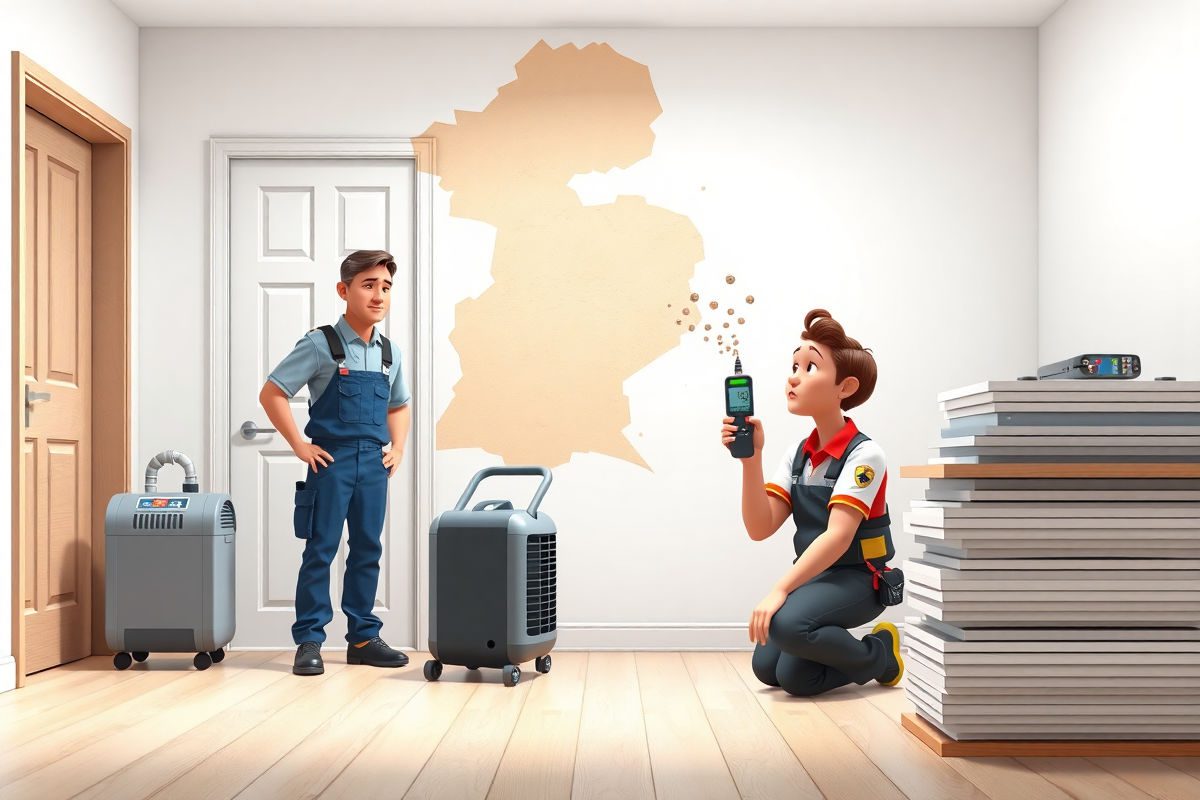
- Use HEPA air purifiers and dehumidifiers to reduce airborne spores and moisture.
- Replace porous materials that remain damp, because they can harbor mold and mycotoxins.
- Clean small areas with detergent and water, but wear proper PPE when handling mold.
Callout box: professional inspection recommended
If you find widespread mold, repeated leaks, or have health concerns, contact a certified mold inspector or remediation contractor. Professionals assess contamination, perform safe remediation, and recommend long-term fixes.
For official guidance on mold prevention and cleanup, see the CDC at https://www.cdc.gov/mold/ and the EPA at https://www.epa.gov/mold/. These resources explain testing limits, cleanup thresholds, and safe remediation practices.
Common household molds and mycotoxin risks
| Mold type | Common mycotoxins produced | Typical health risks | Recommended mitigation steps |
|---|---|---|---|
| Aspergillus (e.g., A. flavus, A. ochraceus) | Aflatoxins, ochratoxins, various metabolites | Liver toxicity, immunosuppression, respiratory irritation, possible carcinogenic risk | Improve ventilation, remove contaminated food, HEPA filtration, professional remediation |
| Penicillium | Ochratoxins, patulin, other metabolites | Allergic reactions, sinusitis, respiratory irritation, immune effects | Control humidity, remove damp porous materials, clean with HEPA vacuum, hire remediation if widespread |
| Stachybotrys chartarum (black mold) | Macrocyclic trichothecenes (satratoxins) and related mycotoxins | Severe mucosal irritation, chronic cough, nosebleeds, neurological complaints in some reports | Dry and replace water-damaged cellulose materials, use PPE during cleanup, consult certified remediator |
| Fusarium | Fumonisins, trichothecenes, zearalenone (species dependent) | Skin and nail infections, respiratory symptoms, potential neurologic and reproductive effects | Fix leaks, discard contaminated materials, clean HVAC systems, professional testing for severe cases |
| Cladosporium | Limited mycotoxin production; primarily allergenic spores | Allergies, asthma exacerbation, respiratory irritation | Reduce humidity, clean hard surfaces, use HEPA filtration, monitor for recurring growth |
| Alternaria | Some species produce altertoxins and related metabolites; often allergen-dominant indoors | Allergic rhinitis, asthma, sinusitis | Replace wet drywall and insulation, control moisture, remediate persistent infestations |
Notes
Conclusion: No mycotoxin antidotes exist — prevention and professional help
The phrase No mycotoxin antidotes exist summarizes a difficult reality. Mycotoxins are chemically diverse and act through many biological pathways. Because of that, science today has no single pharmaceutical solution. Research gaps, ethical limits on testing, and weak financial incentives further slow new drug development. Therefore, prevention and early action matter more than ever.
Reduce exposure first. Fix leaks, control humidity, dry wet materials quickly, and improve ventilation. Use HEPA filtration and remove porous items that remain damp. These steps lower the chance of persistent indoor contamination and reduce long-term health risks.
When contamination is visible, widespread, or linked to health symptoms, call professionals. Certified inspectors and remediation contractors can assess damage, contain contamination, and perform structural drying and mold removal safely. Clinicians often recommend exposure reduction combined with symptom management rather than relying on a single cure.
Our nationwide water damage mitigation and plumbing services offer rapid, reliable help. We deploy certified technicians across states for emergency water extraction, structural drying, mold remediation, and plumbing repairs. Because No mycotoxin antidotes exist, timely mitigation and skilled repairs become the practical cure. We focus on stopping water at the source, restoring indoor air quality, and preventing recurrent growth.
Act quickly to protect your family and property. If you face leaks, flooding, or visible mold, get an inspection from trained professionals who can limit exposure and restore a safe home environment.
Recommended Service: discover this trusted partner.
Company profile: This project provides practical and educational content on water damage mitigation and plumbing services across the United States. Our goal is to help homeowners understand the risks associated with leaks, floods, moisture, mold, and common plumbing issues. We share clear, accessible information on water cleanup, structural drying, damage inspections, mold prevention, and reliable plumbing solutions. All of our content is designed to support home safety and maintenance, backed by the availability of certified technicians in every state, ready to assist 24/7 nationwide. Nothing in our articles replaces professional evaluations, repairs, or recommendations from qualified specialists.
Online profiles: Website: https://fixterra.info/
Frequently Asked Questions (FAQs)
What are mycotoxins and why do they matter?
Mycotoxins are toxic chemicals made by molds. They can damage cells, impair mitochondria, and cause inflammation. Because many mycotoxins accumulate in tissues, exposure can be short term or long lasting.
Is there a medicine that cures mycotoxin exposure?
No. There are no FDA-approved antidotes for mycotoxin exposure. Research is limited and toxins act through many pathways, so a single drug cannot reverse all harms.
How can I reduce my family’s exposure at home?
Fix leaks promptly and dry wet areas within 24 to 48 hours.
- Control indoor humidity below 50 percent and use exhaust fans.
- Use HEPA air filtration and discard soaked porous materials.
- Clean small areas with detergent and wear proper PPE when needed.
Should I test my home or get medical tests?
Home testing can guide decisions, but labs vary and results are not definitive. Medical urine mycotoxin panels exist, yet clinical interpretation is complex. Therefore, use tests together with professional assessments.
When should I call a professional?
Call certified inspectors when mold covers large areas, when leaks recur, or when occupants have persistent health symptoms. Professionals can assess risk and perform safe remediation.