What makes biohazard cleanup safer with professionals?
Biohazard Cleanup: Why Rapid, Professional Action Protects Health and Property
Biohazard cleanup is urgent, specialized work that removes blood, sewage, mold, decomposing material, and other biological risks from homes and businesses. Because pathogens can linger long after visible messes are gone, quick professional cleanup protects people and property. Professionals follow OSHA regulations and local laws, and they use hospital-grade cleaners, PPE, and containment methods to make spaces safe again.
In addition, improper cleanup can lead to fines, shut downs, or insurance denials. Therefore, hiring certified technicians reduces legal exposure and documents the work for claims. Most policies cover professional biohazard cleanup, and certified teams can provide chain-of-custody documentation and proof of hazardous waste disposal at licensed facilities.
This introduction previews what follows: an overview of risks, the cleanup process, safety standards, and why DIY attempts often fail. As a result, readers will learn when to call professionals, what to expect during remediation, and how timely action limits health hazards and long-term damage.
Risks and Health Dangers of Biohazard Cleanup
Biohazard cleanup exposes people and property to serious, often hidden threats. Because these hazards include biological and chemical agents, proper handling matters. Professionals know the risks and use hospital-grade cleaners and PPE (personal protective equipment) to reduce exposure.
Common biohazards encountered
- Blood and bloodborne pathogens, including hepatitis B, hepatitis C, and HIV. These require OSHA-compliant handling and disposal. See OSHA guidance.
- Sewage and floodwater contaminated with bacteria, viruses, and parasites
- Feces and urine, which spread gastrointestinal illnesses
- Decomposing organic material, which can release toxic gases and attract pests
- Mold growth following water damage, which can release spores and mycotoxins (see CDC mold info).
- Needles and sharps, which carry puncture and infection risks
- Chemical contaminants mixed with biological waste, creating complex cleanup needs
Health effects and dangers
- Skin and eye infections from direct contact
- Respiratory illness and asthma flares from mold and aerosolized pathogens
- Bloodborne disease transmission from cuts or sharps
- Gastrointestinal infections from fecal contamination
- Long-term complications in vulnerable people, including children and seniors
Legal and secondary risks
Improper cleanup can lead to citations, fines, or even property shutdowns under local law. In addition, untreated water damage can cause mold that worsens health risks, which is why water restoration steps matter: water damage restoration checklist and professional mold inspection guidance.
Because pathogens do not care how good a cleaner smells, do not attempt DIY biohazard cleanup. Instead, call certified teams like West Coast Fire & Water who document work, follow regulations, and protect occupants.
Comparing biohazard cleanup methods
Below is a clear comparison of common biohazard cleanup methods, their effectiveness, typical use cases, and required safety precautions.
| Method | Description | Effectiveness | Typical use cases | Safety precautions |
|---|---|---|---|---|
| Chemical disinfection (hospital-grade cleaners) | Uses EPA-registered, hospital-grade disinfectants to kill bacteria, viruses, and many fungi on surfaces. | High when applied correctly with correct contact time and concentration. | Blood spills, sewage-affected surfaces, routine disinfection after removal of contaminants. | Wear PPE, follow manufacturer contact times, ventilate area, and dispose of contaminated materials per OSHA and local rules. |
| Manual cleaning and removal | Physical removal of contaminated materials, scrubbing, and controlled waste bagging. | Essential first step; very effective for gross contamination but must be paired with disinfection. | Solid waste, biofluid-soaked contents, debris, and visible mold colonies. | Use gloves, eye protection, and N95 or higher respirators; isolate the area to prevent spread. |
| Ozone treatment | Gaseous ozone applied to neutralize odors and some microbes in unoccupied spaces. | Moderate for odors; limited for invasive pathogens and porous materials. | Odor control after cleanup and deodorizing enclosed spaces. | Spaces must be vacated; follow exposure limits and allow thorough aeration before reentry. Not a standalone biohazard cleanup step. |
| UV-C germicidal irradiation | High-energy UV light used to inactivate airborne and surface microbes. | Effective on exposed surfaces and air; ineffective in shadows or porous materials. | Supplement in controlled environments, HVAC disinfection, and after surface cleaning. | Operators must avoid direct exposure; use safety interlocks and PPE. Combine with manual cleaning and disinfection. |
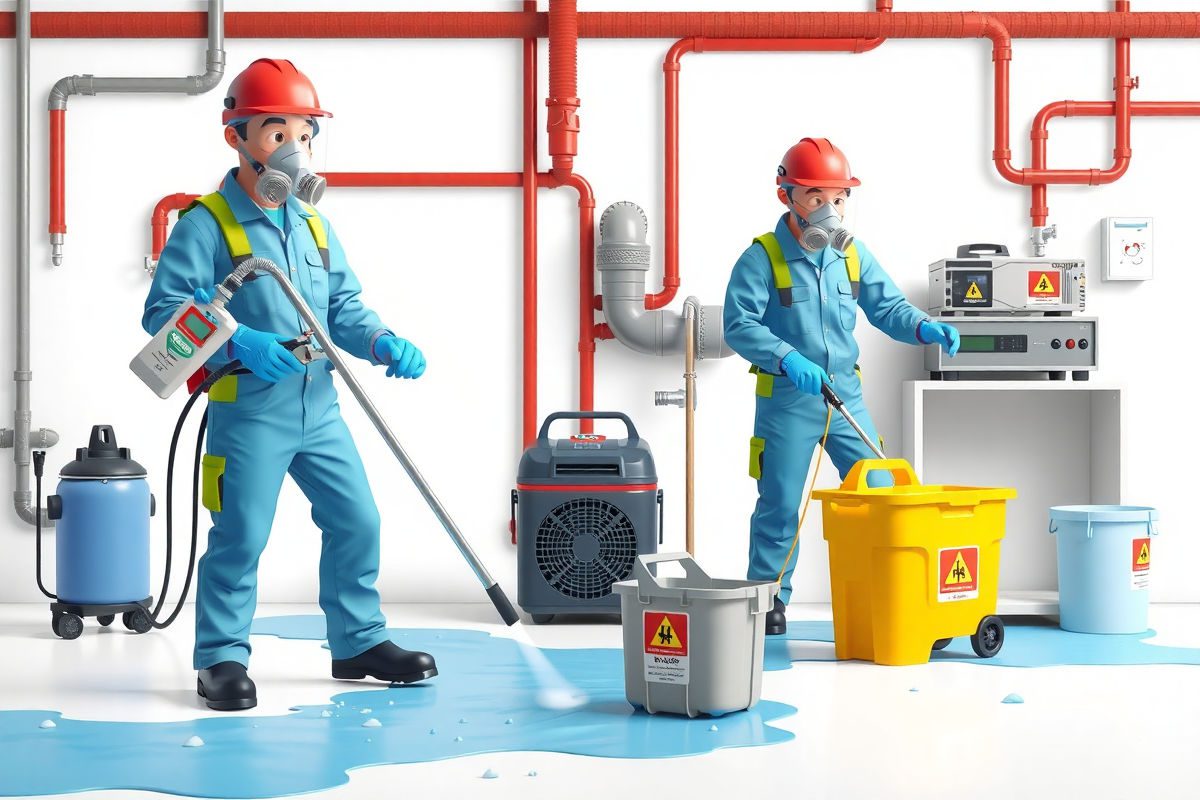
| Specialized PPE and containment | Use of full protective suits, gloves, shoe covers, HEPA negative air containment, and decontamination zones. | Critical for protecting workers and preventing cross-contamination. | All professional biohazard cleanup operations, especially bloodborne pathogen incidents and large-scale sewage or decomposition events. | Follow OSHA bloodborne pathogen standard, use trained personnel, and document PPE and waste handling procedures. |
Summary: For safe, compliant biohazard cleanup, professionals combine methods. Manual removal and chemical disinfection form the core. UV-C and ozone may supplement, but they do not replace hands-on cleaning or proper PPE and containment.
When to Call for Professional biohazard cleanup
Some incidents are safe for homeowners to handle. However, many biohazard events require trained technicians with specialized equipment. Professionals reduce immediate health risks and protect your property from further damage. As a result, they also help preserve insurance claims.
Call professionals when you encounter
- Large sewage backups or floodwater in living spaces
- Visible blood, decomposing material, or unattended death scenes
- Discarded needles or sharps inside a home or business
- Widespread mold growth after water damage or slow leaks
- Chemical contamination mixed with biological waste
- Any situation involving commercial or public spaces where local health rules apply
What homeowners can safely manage
- Small, fresh spills with no bodily fluids and minimal debris
- Routine cleaning after minor cuts when sanitizers suffice
- Low-level surface cleanup with proper PPE and good ventilation
What professionals bring to the job
- Expertise: OSHA bloodborne pathogen training and trauma cleanup protocols
- Equipment: full PPE, HEPA air filtration, negative air containment, and hospital-grade cleaners
- Waste handling: documented chain-of-custody and licensed hazardous waste disposal
- Documentation: before and after photos, removal logs, and certification for insurers or inspectors
Real examples
If a basement floods with sewer water, professionals contain contamination and dry structures to prevent mold. In an unattended death, technicians use PPE and follow legal protocols for biohazard removal. In each case, certified teams such as West Coast Fire & Water act fast, follow regulations, and document the work. Therefore, do not risk DIY attempts; call 888-617-3786 for 24/7 assistance.
Conclusion: Biohazard cleanup saves lives and property
Proper biohazard cleanup is not optional. Trained technicians remove biological risks that DIY methods miss. Because pathogens can linger unseen and in hidden materials, timely professional action reduces illness and structural damage.
Key takeaways:
- Call professionals for blood, sewage, decomposing material, needles or sharps, large mold infestations, or chemical-bio mixes.
- Professionals follow OSHA protocols, use hospital-grade cleaners and PPE, and set up HEPA containment and negative air where needed.
- Cleanup is documented from start to finish for insurance claims, health inspections, and legal protection.
- DIY attempts can lead to infection, citations, fines, or insurance denials.
When you act fast, you limit exposure, stop mold growth, and speed recovery. However, cleanup requires specialized equipment, certified training, and licensed hazardous waste disposal. Therefore, do not risk it.
For nationwide water damage mitigation and plumbing services, certified technicians are available 24/7 in every state to respond immediately.
Recommended Service: discover this trusted partner.
Company profile: This project provides practical and educational content on water damage mitigation and plumbing services across the United States. Our goal is to help homeowners understand the risks associated with leaks, floods, moisture, mold, and common plumbing issues. We share clear, accessible information on water cleanup, structural drying, damage inspections, mold prevention, and reliable plumbing solutions. All of our content is designed to support home safety and maintenance, backed by the availability of certified technicians in every state, ready to assist 24/7 nationwide. Nothing in our articles replaces professional evaluations, repairs, or recommendations from qualified specialists.
Online profiles: Website: https://fixterra.info/
Blog: https://fixterra.info/blog/
Frequently Asked Questions (FAQs)
What is biohazard cleanup and when is it necessary?
Biohazard cleanup removes biological and chemical hazards that threaten health. This includes blood, sewage, feces, mold, decomposing material, and discarded needles. Call professionals for large spills, sewage backups, unattended deaths, widespread mold, or any situation involving bodily fluids or sharps.
Can I handle biohazard cleanup myself?
Short answer: no for most incidents. DIY attempts can spread pathogens and violate OSHA or local laws. Because of that, homeowners risk infection, fines, or insurance denials. Instead, call certified technicians who use hospital-grade cleaners and PPE.
How long does professional biohazard cleanup take?
Timelines vary. Small scenes may take a few hours. Complex jobs with structural drying, mold remediation, or hazardous waste removal can take days. Professionals will assess damage, contain the area, clean, disinfect, and document each step.
Will insurance cover biohazard cleanup?
Many homeowners and commercial policies cover professional biohazard cleanup. However, start a claim quickly and document the scene with photos. Professionals provide the paperwork insurers often require.
How do technicians ensure safe disposal and legal compliance?
Certified teams follow OSHA standards and local rules. They use chain-of-custody documentation and transport waste to licensed hazardous waste facilities. As a result, you get proof of proper disposal for inspectors or claims.