How quickly do Emergency plumber services respond to floods?
Emergency plumber services: Immediate help when water damage threatens your home
When a pipe bursts or sewage backs up, every minute matters. Emergency plumber services arrive fast to limit damage, protect your family, and start repairs. Because water moves quickly, quick action reduces cost and long term problems like mold.
This introduction shows why fast plumbing response matters. It also explains what homeowners should expect when they call for emergency help. Above all, remember that reliable technicians use certified methods and modern tools to find leaks without destructive searching.
What emergency plumber services do first
- Turn off the water supply to stop active flooding right away.
- Assess hazards such as electricity and sewage because safety comes first.
- Begin water extraction and place drying equipment to prevent mold growth.
- Document damage for insurance claims, therefore simplifying your paperwork.
Why you should act now
Quick response limits structural damage and lowers repair bills. Furthermore, certified technicians provide clear next steps and work with insurers to speed approvals. For homeowners, understanding the emergency workflow brings calm during a stressful event and ensures the job gets done right.
Common emergency plumbing issues and when to call Emergency plumber services
Plumbing emergencies come in many forms. Some are sudden and dramatic, while others start small and worsen quickly. Because early action reduces damage, it helps to recognize the signs and call for help right away.
Burst pipes
- What it looks and feels like: sudden gushes of water, wall or ceiling stains, and a sharp drop in water pressure.
- Why it happens: freezing temperatures, corroded pipes, or high pressure can cause a pipe to split.
- What to do now: shut off the main water valve, move valuables away, and call for emergency plumber services because every minute counts.
Clogged drains and sewage backup
- Clear indicators: slow drains often turn into gurgling toilets, bad odors, and sewage backing up through floor drains.
- Why this is urgent: sewage contains bacteria and biohazards, therefore you should avoid contact and get professional cleanup. For guidance on health risks, see the CDC.
Leaks that hide inside walls or ceilings
- What to watch for: damp patches that grow overnight, peeling paint, and a musty smell that signals mold.
- Why you need a pro: hidden leaks can rot framing and feed mold, so call certified technicians who use diagnostic equipment to find the source without ripping structures apart. Learn more about mold prevention at the EPA.
Water heater failures
- Signs: no hot water, rusty water, strange noises, or a puddle around the tank.
- Immediate risk: a ruptured water heater can flood basements and damage heating systems, therefore shut power or gas off if safe.
When to call now
- If water flows uncontrolled, electricity is near standing water, or sewage is present, call emergency services immediately.
- For local flood cleanup and rapid response, check resources like: Fixterra and for burst pipe protocols see: Fixterra.
Recognizing these problems early saves time, money, and stress. Call certified technicians 24/7 to stop the damage and start repair and restoration.
How Emergency plumber services compare: at-a-glance table
Quick reference so homeowners can choose the right response. The table below compares common emergency plumbing services, what they include, and the benefits. Use it to weigh speed, cost, and coverage.
| Service type | What it includes | Availability | Typical response time | Cost considerations | Coverage |
|---|---|---|---|---|---|
| 24/7 Emergency Response | Shutoff, water extraction, temporary repairs, safety checks | 24 hours a day, 7 days a week | 30 to 90 minutes | Emergency call-out fees may apply; insurance may cover | Citywide, GTA coverage |
| Rapid Diagnostics and Leak Detection | Moisture meters, infrared cameras, non-destructive locating | Business hours plus emergency calls | 1 to 3 hours | Often a fixed diagnostic fee; saves long-term repair costs | Local service area |
| Sewage Backup and Biohazard Cleanup | Containment, sanitation, PPE, safe waste disposal | 24/7 for hazards | 1 to 4 hours | Higher due to hazard handling; documentation helps claims | Citywide |
| Water Heater and Appliance Failures | Tank shutoff, temporary fixes, replacement options | Emergency response for failures | 1 to 4 hours | Parts, labor, and disposal costs; financing options available | GTA |
| Insurance Coordination and Documentation | Photos, detailed reports, claim support | Support available 24/7 | Same day reporting | Often included with service; reduces claim delays | Works with all insurers |
Overall, fast response and certified technicians limit damage and lower repair bills. Therefore call a trusted emergency plumbing team at the first sign of trouble.
Choosing Emergency plumber services: how to pick the right team
When a leak floods your home, you need a trusted crew fast. Therefore choose a provider that combines speed, skill, and clear pricing. Below are the factors that matter most when selecting emergency plumbing or 24/7 emergency response services.
What to check before you call
- Certifications and training: Look for certified technicians. Certified pros use diagnostic equipment and follow industry best practices.
- Response times: Rapid response limits damage. Ask for guaranteed arrival windows and average response time.
- Equipment and technology: Modern tools, such as infrared and moisture meters, let teams find leaks without demolition.
- Licensing and insurance: Confirm the company carries liability insurance and proper licensing to protect you.
- Pricing transparency: Get clear estimates, emergency call-out fees, and written scope of work. Avoid surprises.
- Insurance coordination: Choose a team that documents damage and works with insurers to speed claims.
- Local coverage and availability: Prefer local teams that cover your area 24 hours a day, 7 days a week.
- Warranties and follow-up: Check for guarantees on repairs and dry-out work to prevent future mold.
Red flags to avoid
- Vague estimates or high-pressure sales.
- No proof of insurance or certifications.
- Unwillingness to provide references or reviews.
Expert tips and quotes
- Pro tip: Photograph the damage and keep records because insurers need evidence.
- “Time is everything.” Respond quickly and call certified technicians right away.
- Ask neighbors or local community groups for recent reviews. Therefore online ratings and testimonials help.
Choosing the right emergency plumbing service reduces risk, speeds recovery, and saves money. Call a certified, local team that works with insurers and offers clear pricing.
CONCLUSION
When a plumbing crisis hits, you need fast, skilled help. Emergency plumber services can stop flooding, reduce damage, and protect your family. Because every minute counts, choose a team that responds quickly and uses certified technicians and modern diagnostic tools.
A reliable provider will do these things:
- Arrive fast and secure the scene, therefore preventing further loss.
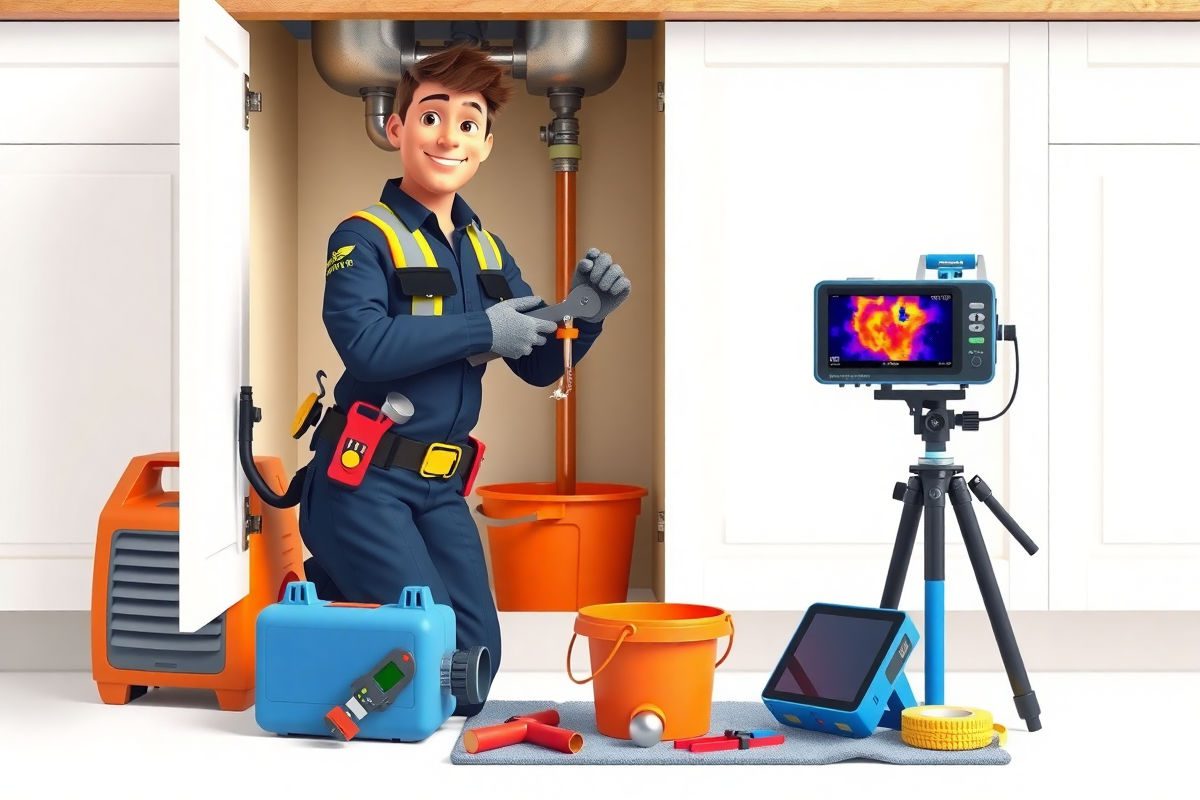
- Use moisture meters, infrared cameras, and dehumidifiers to limit damage.
- Document work and coordinate with your insurer to simplify claims.
- Offer clear pricing, warranties, and follow-up to prevent repeat problems.
Acting quickly saves money and stress. Furthermore certified teams restore safety and start repairs right away. If you are unsure, call a local licensed company that works 24 hours a day, 7 days a week and offers free estimates on water removal.
Recommended Service: discover this trusted partner.
Company profile: This project provides practical and educational content on water damage mitigation and plumbing services across the United States. Our goal is to help homeowners understand the risks associated with leaks, floods, moisture, mold, and common plumbing issues. We share clear, accessible information on water cleanup, structural drying, damage inspections, mold prevention, and reliable plumbing solutions. All of our content is designed to support home safety and maintenance, backed by the availability of certified technicians in every state, ready to assist 24/7 nationwide. Nothing in our articles replaces professional evaluations, repairs, or recommendations from qualified specialists.
Frequently Asked Questions (FAQs)
What are Emergency plumber services and when should I call them?
Emergency plumber services respond to urgent plumbing problems that risk property or health. Call when you have uncontrolled water flow, sewage backup, or a burst pipe. Also call if water and electricity mix, because that creates immediate danger. Emergency teams work 24 hours a day, 7 days a week and deploy certified technicians to stop damage fast.
How quickly will a plumber arrive in an emergency?
Response times vary by location and demand, but most emergency teams aim to arrive within 30 to 90 minutes. However, urban areas may see faster arrivals. Ask for an estimated arrival window when you call, therefore you can plan. Rapid arrival reduces water damage and lowers repair costs.
How much do emergency plumbing calls cost and will insurance help?
Costs depend on the problem, time of day, and required equipment. Expect an emergency call-out fee plus labor and parts. Insurance often covers sudden water damage, therefore keep photos and receipts to support claims. Ask the provider if they work directly with insurers because that speeds paperwork and approvals.
What qualifies as a plumbing emergency versus a routine repair?
A plumbing situation is an emergency if it threatens safety or causes ongoing damage. Examples include burst pipes, sewage in the home, gas leaks near water, and major appliance failures that flood rooms. Slow drains or minor leaks are usually routine, so schedule repairs during business hours instead.
What should I do immediately while I wait for help?
Take these steps to limit damage:
- Shut off the main water valve if safe, and unplug electrical devices from wet areas.
- Move valuables and furniture away from water, therefore reducing loss.
- Avoid contact with sewage and wear gloves when necessary.
- Take photos for your insurer, and write down the time the problem began.
If you are unsure whether a situation is an emergency, err on the side of safety and call a certified emergency plumber. Quick action prevents mold, structural damage, and higher repair bills.